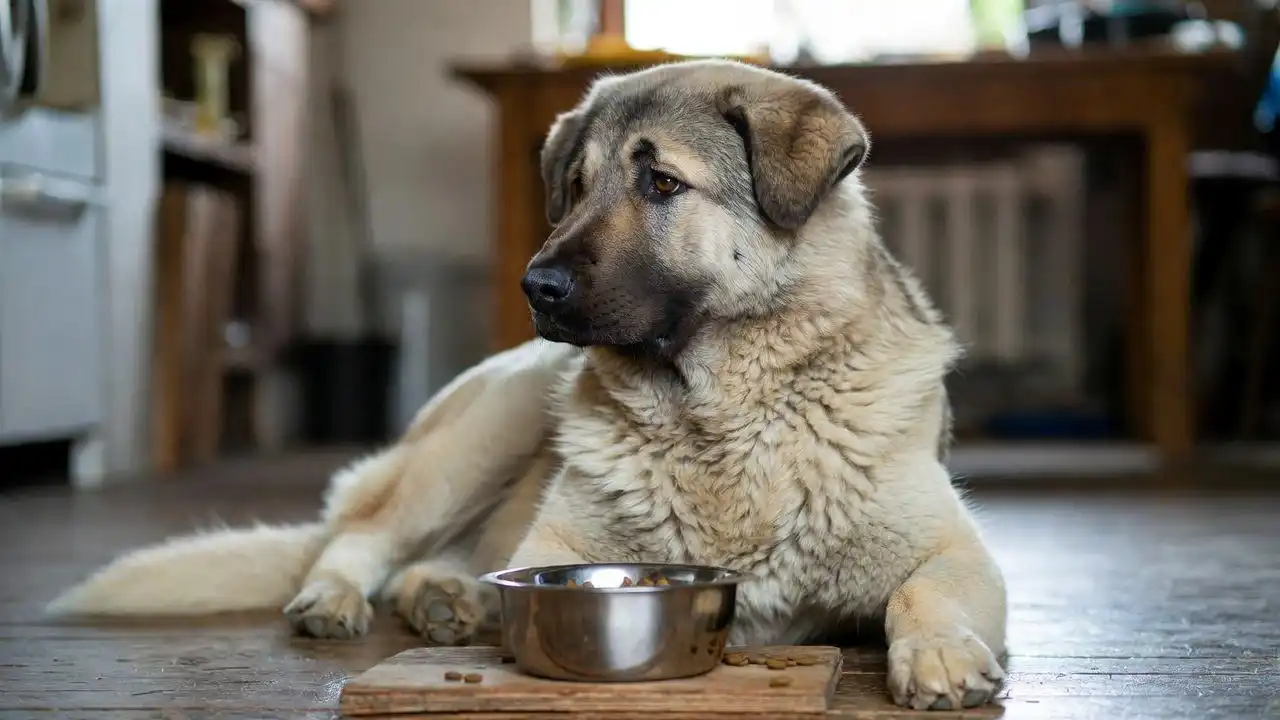
You fill your Anatolian Shepherd’s bowl every morning and every evening, but a nagging question sits in the back of your mind: is this actually the right amount? Too much and you’re shortening their life with obesity. Too little and you’re starving a working dog that needs fuel. The bag gives a range so wide it’s practically useless—and suddenly, something as basic as feeding your dog feels stressful.
I get it. When you own a dog that can weigh anywhere from 80 to 150 pounds, feeding guidelines feel like guesswork. And the stakes feel high because they are high. Nutrition shapes everything—joint health, energy, coat quality, lifespan.
As an Anatolian Shepherd owner, I’ve seen dogs overfed into painful joint problems by age four and dogs underfed because their owners assumed a “lean” guardian breed should look bony. Both extremes cause real harm.
This guide cuts through the confusion with practical, breed-specific feeding advice you can actually use—starting tonight.
Understanding Your Anatolian Shepherd’s Nutritional Needs
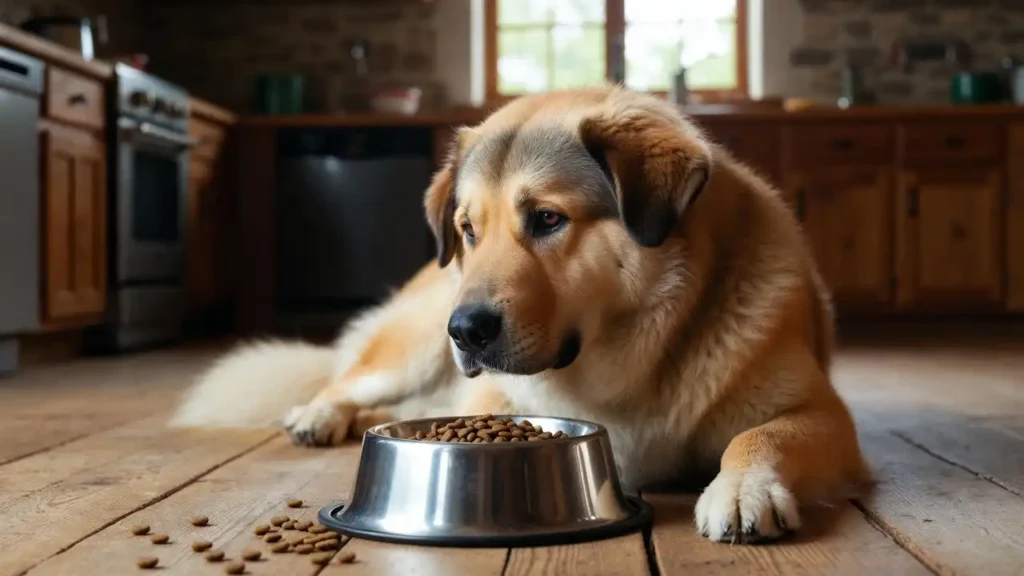
Anatolian Shepherds aren’t like most large breeds when it comes to food. Here’s what surprises many new owners: despite their massive size, these dogs are remarkably efficient eaters.
Their ancestors survived on relatively modest rations in the harsh Turkish landscape. They weren’t fed like pampered pets—they ate what was available, which was often less than you’d expect for a dog their size. That efficient metabolism still exists in the breed today.
According to the American Kennel Club, the Anatolian Shepherd typically weighs between 80 and 150 pounds, with males generally larger than females. This wide weight range means feeding amounts vary significantly from dog to dog.
How Much Should an Anatolian Shepherd Eat Per Day
Let’s get specific. The daily food requirement for your Anatolian depends on their age, weight, activity level, and whether they’re a working or companion dog. Here are practical starting points.
Adult Anatolian Shepherds (2+ Years)
Most healthy adult Anatolians do well on 4 to 6 cups of high-quality dry kibble per day, split into two meals. This translates to roughly 2,000 to 3,000 calories daily, though individual needs vary.
- Sedentary or indoor companion dogs: 4 to 4.5 cups (closer to 2,000 calories)
- Moderately active family dogs: 4.5 to 5.5 cups (around 2,200–2,600 calories)
- Working livestock guardians: 5 to 6+ cups (2,500–3,200+ calories)
Many Anatolian Shepherd owners don’t realize that a working livestock guardian patrolling 40 acres in winter may need nearly double the calories of a companion dog who spends most of their day sleeping on the porch.
Anatolian Shepherd Puppies
Puppy feeding is where the most damage gets done—and where careful attention matters most.
Anatolian Shepherd puppies grow slowly compared to other large breeds, and that’s by design. Rapid growth in giant breeds is linked to serious developmental orthopedic diseases including hip dysplasia, osteochondrosis, and panosteitis.
- 8–12 weeks: 2 to 3 cups per day, divided into 3–4 meals
- 3–6 months: 3 to 4 cups per day, divided into 3 meals
- 6–12 months: 4 to 5 cups per day, divided into 2 meals
- 12–24 months: Gradually transition to adult portions
Senior Anatolian Shepherds (7+ Years)
As your Anatolian ages, their metabolism slows and activity decreases. Most seniors need 3.5 to 5 cups per day, though dogs with arthritis or reduced mobility may need even less to prevent weight gain that worsens joint pain.
Senior dogs often benefit from food with slightly higher protein (to maintain muscle mass), reduced fat, and added joint-support ingredients like glucosamine and chondroitin.
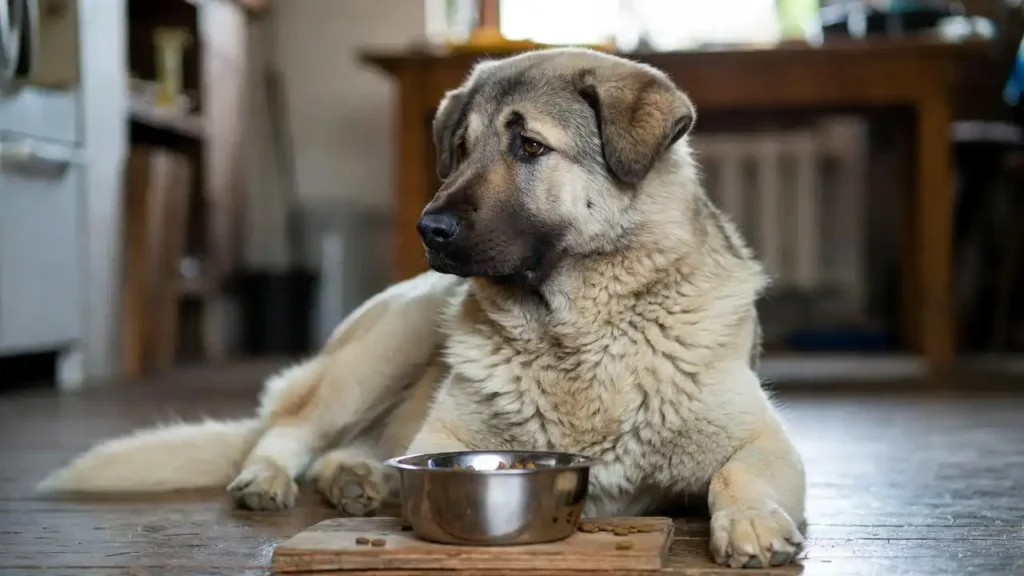
Feeding Guide by Age and Activity Level
| Life Stage | Daily Amount (Cups) | Calories (Approx.) | Meals Per Day |
|---|---|---|---|
| Puppy (8–12 wks) | 2–3 cups | 800–1,200 | 3–4 |
| Puppy (3–6 mo) | 3–4 cups | 1,200–1,800 | 3 |
| Adolescent (6–12 mo) | 4–5 cups | 1,800–2,400 | 2 |
| Young Adult (1–2 yrs) | 4–5.5 cups | 2,000–2,800 | 2 |
| Adult – Low Activity | 4–4.5 cups | 2,000–2,200 | 2 |
| Adult – Moderate Activity | 4.5–5.5 cups | 2,200–2,600 | 2 |
| Adult – Working LGD | 5–6+ cups | 2,500–3,200+ | 2 |
| Senior (7+ yrs) | 3.5–5 cups | 1,600–2,200 | 2 |
*Cup measurements are based on standard dry kibble (~350–400 kcal/cup). Actual amounts vary by food density and formulation. Always check your specific food’s calorie content.
Choosing the Right Food for Your Anatolian Shepherd
Not all dog food is created equal, and for a breed prone to joint issues and bloat, food quality matters more than you might think.
What to Look For
- Named animal protein as the first ingredient — real chicken, beef, lamb, or fish—not “meat meal” or “animal by-products”
- Moderate protein (22–28%) — Enough for muscle maintenance without overtaxing kidneys
- Moderate fat (12–16%) — Higher for working dogs, lower for sedentary companions
- Joint-supporting ingredients — Glucosamine, chondroitin, and omega-3 fatty acids
- Large-breed formulation — Properly balanced calcium and phosphorus
What to Avoid
- Corn, wheat, or soy as primary ingredients
- Artificial colors, flavors, or preservatives
- Excessively high-calorie formulas marketed for “active” dogs (unless your dog truly works)
- Grain-free diets without veterinary guidance (the FDA has investigated potential links between grain-free diets and dilated cardiomyopathy in dogs)
The American Veterinary Medical Association emphasizes that maintaining a healthy weight through proper nutrition is one of the most impactful things you can do for your dog’s long-term health.
How to Tell If You’re Feeding the Right Amount
Numbers on a chart are starting points. Your dog’s body tells the real story. Here’s how to read it.
The Body Condition Check
Perform this simple check weekly:
- Ribs: You should feel your dog’s ribs easily with light pressure, without seeing them prominently. A thin layer of covering is ideal.
- Waist: Viewed from above, your Anatolian should have a visible waist behind the ribcage—not a straight or barrel-shaped silhouette.
- Tuck: From the side, the abdomen should tuck upward from the chest toward the hips.
In my experience working with large guardian breeds, the ideal Anatolian Shepherd looks lean and athletic—not bulky. Owners accustomed to seeing overweight dogs in parks often think a healthy-weight Anatolian looks “too thin.” Trust the rib test over visual comparison.
Feeding Schedule: How Often Should You Feed
Meal frequency matters almost as much as quantity for Anatolian Shepherds, largely because of one serious risk: bloat (gastric dilatation-volvulus or GDV).
Bloat is a life-threatening emergency where the stomach fills with gas and can twist on itself. Deep-chested breeds like the Anatolian Shepherd are among the most at-risk. The American College of Veterinary Surgeons identifies large, deep-chested breeds as having the highest incidence of this condition.
Bloat Prevention Through Feeding Practices
- Feed two meals per day — Never one large meal. Splitting food reduces stomach volume per feeding.
- No exercise 30-60 minutes before or after eating — Let your dog rest during digestion.
- Use a slow-feeder bowl — Prevents gulping, which increases air intake.
- Avoid elevated food bowls — Despite old advice, studies suggest elevated bowls may increase bloat risk in large breeds.
- Limit water intake immediately after meals — Allow small amounts, not an entire bowl.
Working Livestock Guardians vs. Companion Dogs: Different Needs
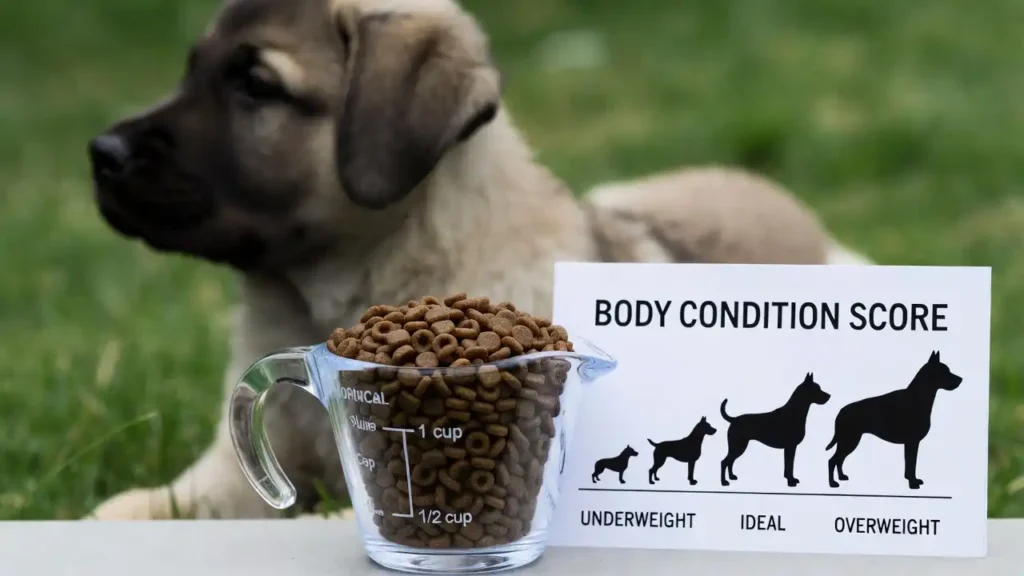
This distinction trips up many Anatolian Shepherd owners. A dog patrolling 20+ acres in varying weather has dramatically different caloric needs than one guarding your couch.
Working LGDs
Working Anatolians may need 20-40% more calories than companion dogs, especially during cold weather when maintaining body temperature burns significant energy. During harsh winters, some working guardians need up to 7 cups per day or supplemental high-calorie food.
These dogs also benefit from slightly higher fat content (15-18%) for sustained energy during long patrol shifts.
Companion and Family Dogs
Companion Anatolians are more prone to obesity because they maintain the breed’s efficient metabolism while burning far fewer calories. If your Anatolian spends most of their day indoors or in a yard, feed toward the lower end of the range and monitor body condition closely.
For detailed feeding strategies tailored to different living situations, explore Anatolian Shepherd care guides written by owners who understand the real-world differences between working and companion dogs.
Real Owner Experiences: Getting Feeding Right
Case Study 1: Kevin’s Overweight Guardian
Kevin’s Anatolian Shepherd, Bear, tipped the scales at 165 pounds. Kevin thought Bear was just “a big boy” and fed him 7 cups of premium kibble daily plus table scraps.
“The vet told me Bear was at least 25 pounds overweight,” Kevin recalled. “He was only four years old and already showing signs of joint strain. I felt terrible—I thought I was being a good owner by keeping him well-fed.”
Under veterinary guidance, Kevin reduced Bear to 4.5 cups of a weight-management formula, eliminated table scraps, and introduced gentle exercise. Over eight months, Bear reached 138 pounds, and his mobility improved dramatically.
“I was literally loving him to death with food,” Kevin admitted. “The rib test was a game-changer. Now I check every week.”
Case Study 2: Rachel’s Underweight Working Dog
Rachel’s working Anatolian, Sentry, guarded a goat herd on 30 acres in Colorado. Despite feeding what she considered a generous 5 cups daily, Sentry was losing weight heading into winter.
“I didn’t realize how many calories patrolling in cold weather burns,” Rachel explained. “My vet suggested increasing to 6.5 cups and switching to a higher-fat performance formula during winter months.”
The adjustment brought Sentry back to optimal condition within weeks. Rachel now adjusts his food seasonally—increasing during cold, active months and reducing during summer when he’s less active.
Common Feeding Mistakes to Avoid
- Free-feeding (leaving food out all day): Anatolians will often eat out of boredom. Timed meals help you control intake and notice appetite changes that may signal health issues.
- Trusting the bag guidelines blindly: Dog food labels provide broad ranges. Your dog’s individual metabolism, activity, and health status matter more.
- Overusing treats: Treats should be no more than 10% of daily calories. A few training treats are fine—but handfuls throughout the day add up quickly.
- Ignoring seasonal changes: Working dogs especially need caloric adjustments between summer and winter months.
- Switching food abruptly: Always transition over 7-10 days to avoid digestive upset. Mix increasing amounts of new food with decreasing amounts of old food.
- Supplementing without veterinary guidance: Unnecessary calcium or vitamin supplements can cause serious harm, especially in growing puppies.
Treats, Scraps, and Extras: What’s Safe
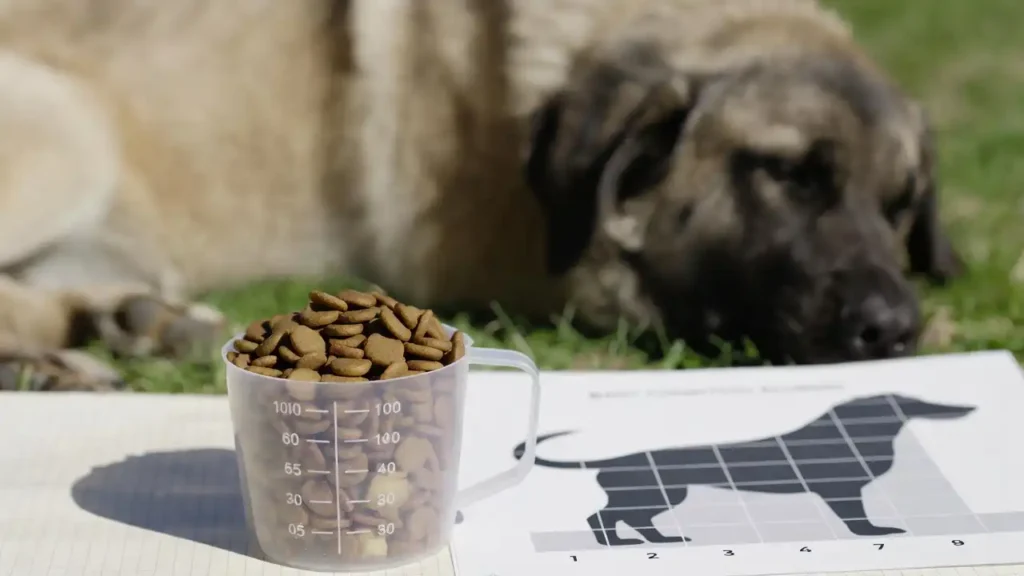
Anatolian Shepherds don’t need much in the way of extras, but occasional treats are fine when used wisely.
Safe Treat Options
- Plain cooked chicken or turkey (no seasoning)
- Carrots, green beans, and blueberries
- Plain pumpkin (not pie filling)
- Small amounts of plain yogurt or cottage cheese
- High-quality commercial training treats (broken into small pieces)
Never Feed Your Anatolian
- Grapes, raisins, or currants
- Chocolate (any type)
- Onions, garlic, and chives
- Xylitol (found in sugar-free products)
- Cooked bones (can splinter and cause internal damage)
- Macadamia nuts
- Alcohol in any form
For a deeper understanding of nutrition, health, and safety considerations, trusted Anatolian Shepherd resources can help you make informed decisions tailored to this specific breed.
When to Adjust Your Feeding Plan
Your Anatolian’s food needs aren’t static. Watch for these signals that it’s time to reassess.
- Weight gain or loss — Even gradual changes deserve attention
- Coat quality changes — Dull, dry, or thinning coat may indicate nutritional gaps
- Energy level shifts — Lethargy could mean too few calories; hyperactivity may suggest dietary imbalance
- Digestive issues — Persistent loose stools, gas, or vomiting warrant a food change and vet visit
- Life stage transitions — Puppyhood to adult, adult to senior
- Pregnancy or nursing — Caloric needs can increase by 25-50%
- Season changes — Especially for outdoor and working dogs
Frequently Asked Questions
How many cups of food should an Anatolian Shepherd eat per day?
Most adult Anatolian Shepherds eat between 4 and 6 cups of high-quality dry kibble daily, split into two meals. The exact amount depends on your dog’s weight, activity level, and whether they’re a working livestock guardian or companion dog. Start with the mid-range for your dog’s situation and adjust based on body condition—you should be able to feel ribs easily without seeing them prominently.
Do Anatolian Shepherds eat a lot compared to other large breeds?
Surprisingly, no. Despite their impressive size, Anatolian Shepherds have a relatively efficient metabolism that stems from their heritage in resource-scarce Turkish landscapes. Pound for pound, they typically eat less than breeds like Labrador Retrievers or Great Danes. This can actually lead to overfeeding if owners use generic large-breed feeding charts instead of breed-specific guidance.
What is the best food for an Anatolian Shepherd?
Look for large-breed formulas with named animal protein as the first ingredient, moderate protein levels (22-28%), and appropriate fat content for your dog’s activity level. Joint-supporting ingredients like glucosamine and omega-3 fatty acids are beneficial for this breed. Avoid foods where corn, wheat, or soy are the primary ingredients. Your veterinarian can recommend specific brands based on your individual dog’s needs.
Should I feed my Anatolian Shepherd grain-free food?
Not without discussing it with your veterinarian first. The FDA has been investigating potential connections between grain-free diets and dilated cardiomyopathy in dogs. While the research is ongoing, most veterinary nutritionists currently recommend feeding diets that include grains unless your dog has a documented grain allergy—which is actually quite rare in dogs.
How do I know if my Anatolian Shepherd is overweight?
Use the rib test: place your hands on your dog’s ribcage with light pressure. You should feel each rib easily, covered by a thin layer of tissue. If you need to press firmly to feel ribs, your dog is likely overweight. Also check for a visible waist when viewed from above and an abdominal tuck from the side. A healthy Anatolian Shepherd looks lean and athletic, not round or barrel-shaped.
Can I feed my Anatolian Shepherd a raw diet?
Raw diets are a topic of ongoing debate. Some owners report good results, while veterinary organizations like the AVMA express concerns about bacterial contamination risks and nutritional imbalances. If you’re considering a raw diet, work with a board-certified veterinary nutritionist to ensure it’s properly balanced—especially for puppies and growing dogs where nutritional missteps can cause permanent skeletal damage.
How much should I feed my Anatolian Shepherd puppy?
Anatolian Shepherd puppies need carefully controlled portions that support steady, slow growth. From 8-12 weeks, feed 2-3 cups divided into 3-4 meals. From 3-6 months, increase to 3-4 cups across 3 meals. From 6-12 months, feed 4-5 cups in 2 meals. Always use large-breed puppy food (not regular puppy food) to ensure proper calcium-to-phosphorus ratios. Overfeeding puppies of this breed leads to dangerously rapid growth and lifelong joint problems.
Conclusion: Feed With Confidence, Not Guesswork
Feeding your Anatolian Shepherd doesn’t have to be stressful. Once you understand this breed’s efficient metabolism, learn the body condition check, and establish a consistent routine, it becomes second nature.
Remember that charts and guidelines—including the ones in this article—are starting points. Your dog is an individual. Their ideal feeding plan depends on their specific body, activity level, health, and life stage. The rib test and monthly weigh-ins tell you more than any feeding chart ever could.
Stay observant. Adjust when needed. And when in doubt, your veterinarian is always the best resource for nutrition questions specific to your dog.
Your Anatolian Shepherd depends on you to make smart feeding decisions. The fact that you’re here, researching and learning, means you’re already doing right by them.
For more practical, breed-specific guidance on every aspect of living with these remarkable dogs, explore Anatolian Shepherd ownership advice from people who share your commitment to doing this right.
🐾 Author Bio
Written by: Sarah Mitchell, Large Guardian Breed Content Writer at AnatolianShepherd.me
Experienced Anatolian Shepherd owner with hands-on knowledge of guardian dog care, behavior, and health.
Content reviewed using trusted veterinary references and real owner experience for accuracy and reliability.
Disclaimer: This content is for educational purposes only and does not replace professional veterinary or nutritional advice. Always consult your veterinarian for feeding recommendations specific to your dog’s health needs.
Leave a Reply