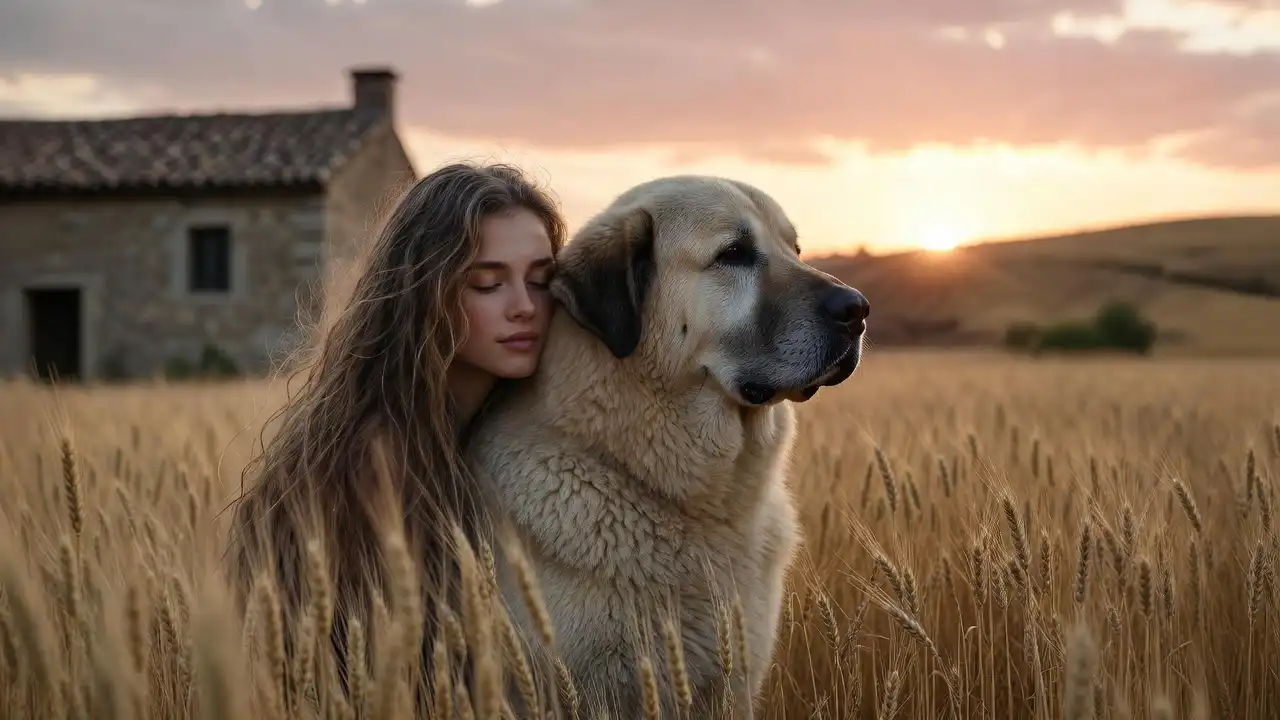
I still remember the morning my first Anatolian Shepherd, Atlas, turned ten years old. He moved a little slower getting up from his bed, took an extra moment before jumping into the truck, and his muzzle had gone completely silver. But when a coyote appeared near our fence line that afternoon, he transformed into the same vigilant guardian he’d been at three years old—proving that age might slow the body, but it never dims the spirit of these remarkable dogs.
If you’re wondering how long your Anatolian Shepherd will be by your side, or how to help them age gracefully, you’re asking the right questions. The good news? Anatolian Shepherds are among the longest-lived giant breeds, routinely reaching 11 to 13 years when properly cared for. That’s significantly longer than most dogs their size, and understanding why—plus knowing how to support them through each life stage—can add quality years to your time together.
Anatolian Shepherd Lifespan: The Numbers That Matter
The average Anatolian Shepherd lives between 11 and 13 years, with many healthy individuals reaching 14 or even 15. This exceptional longevity for a dog weighing 80 to 150 pounds sets them apart from other giant breeds, where 7 to 10 years is more typical.
| Giant Breed | Average Weight | Average Lifespan |
|---|---|---|
| Anatolian Shepherd | 80–150 lbs | 11–13 years |
| Great Dane | 110–175 lbs | 7–10 years |
| Saint Bernard | 120–180 lbs | 8–10 years |
| Irish Wolfhound | 105–180 lbs | 6–8 years |
| Great Pyrenees | 85–160 lbs | 10–12 years |
| Mastiff | 120–230 lbs | 6–10 years |
Why do Anatolians outlive so many similarly-sized breeds? The answer lies in their ancient heritage. Unlike many modern giant breeds developed primarily for appearance, Anatolian Shepherds evolved over 6,000 years through natural selection on the Turkish highlands. Dogs that couldn’t survive harsh conditions, evade predators, and work into old age simply didn’t pass on their genes. The result is a breed with remarkable genetic resilience.
Factors That Influence Your Anatolian’s Lifespan
While genetics provide a strong foundation, how you care for your Anatolian significantly impacts how long and how well they live. In my experience working with large guardian breeds over the past fifteen years, I’ve identified several factors that consistently separate dogs who thrive into their teens from those who struggle earlier.
Genetics and Breeding Quality
Not all Anatolian Shepherds are created equal when it comes to longevity potential. Dogs from health-tested parents with documented multi-generational lifespans have significant advantages. Responsible breeders track how long their dogs and their dogs’ offspring live, selecting breeding pairs that consistently produce long-lived puppies.
The American Kennel Club recommends that Anatolian Shepherd breeders perform hip and elbow evaluations at minimum. Dogs with certified healthy joints typically age more comfortably and remain active longer.
Weight Management
This is the single most controllable factor affecting your Anatolian’s lifespan. Overweight giant breed dogs experience dramatically accelerated joint deterioration, increased cancer risk, and reduced cardiovascular function. Studies consistently show that dogs maintained at lean body weight live 15-20% longer than their overweight counterparts.
Many Anatolian Shepherd owners don’t realize their dog is overweight because the breed’s thick coat disguises body condition. You should be able to feel your dog’s ribs easily without pressing hard, and there should be a visible waist when viewed from above.
💡 Pro Tip: The Rib Check
Run your hands along your Anatolian’s sides weekly. If you can’t feel individual ribs without significant pressure, your dog is likely carrying excess weight. For senior Anatolians, keeping weight at the lower end of the healthy range reduces stress on aging joints considerably. A 120-pound Anatolian doesn’t need to weigh 120 pounds if 105 pounds keeps them comfortable and mobile.
Nutrition Throughout Life Stages
What you feed your Anatolian—and how much—should change as they age. Puppies need controlled-growth large breed formulas that prevent the rapid growth associated with developmental bone problems. Adults need moderate protein and fat to fuel their guardian activities without promoting obesity. Seniors benefit from joint-supporting nutrients and often reduced calories as activity decreases.
Veterinary Care and Early Detection
Regular veterinary checkups become increasingly important as your Anatolian ages. Many conditions that shorten lifespan—hypothyroidism, early-stage cancers, heart changes—are manageable when caught early but devastating when discovered late. The American Veterinary Medical Association recommends at least annual wellness exams for adult dogs and twice-yearly visits for seniors.
Mental Engagement and Purpose
As an Anatolian Shepherd owner, I’ve seen firsthand how dogs with jobs age better than dogs without purpose. Anatolians who actively guard livestock, patrol property, or participate in regular training maintain cognitive function and physical condition longer than dogs left with nothing to do. Their brains are wired for purposeful activity—denying this accelerates both mental and physical decline.
Life Stages of the Anatolian Shepherd
Understanding where your Anatolian is in their life journey helps you provide appropriate care and set realistic expectations. These dogs mature slowly and age gracefully—but the timeline differs significantly from smaller breeds.
Puppyhood (0–18 Months)
Anatolian puppies grow rapidly but shouldn’t reach full size until around 18 months. During this phase, controlled exercise protects developing joints. Avoid forced running, jumping from heights, or activities that stress growing bones. Socialization during this window shapes their adult temperament profoundly—invest heavily in positive exposures to people, animals, and environments.
Adolescence (18 Months–3 Years)
Physical maturity arrives around 18 months, but mental maturity takes longer—often until age 3 or 4. During adolescence, your Anatolian may test boundaries, show increased independence, and exhibit stronger guardian instincts. This is when consistent training and clear expectations matter most. Many owners mistakenly reduce training efforts once their dog reaches physical maturity, leading to behavioral challenges during this critical developmental phase.
Prime Adulthood (3–7 Years)
These are the golden years of Anatolian Shepherd ownership. Your dog’s temperament has stabilized, their body is at peak condition, and their guardian instincts are fully developed but controlled. Health issues are relatively rare during this period for well-bred dogs. Focus on maintaining weight, continuing mental engagement, and establishing the veterinary baselines that will help detect changes later.
Mature Adult (7–9 Years)
Subtle changes begin appearing around age 7. You might notice your Anatolian takes longer to recover from vigorous activity, shows slight stiffness after rest, or prefers shorter patrol routes. This isn’t decline—it’s transition. Many owners miss these early signals because Anatolians are stoic and rarely complain. Pay attention to behavior changes rather than waiting for obvious symptoms.
⚠️ Important Warning: The Stoic Nature
Anatolian Shepherds are genetically programmed to hide weakness—showing pain could have meant death from predators in their ancestral environment. By the time an Anatolian shows obvious discomfort, the underlying issue is often advanced. Learn to recognize subtle signs: reluctance to climb stairs, shifting weight while standing, decreased patrol activity, or changes in sleeping positions. These early indicators allow intervention before problems become severe.
Senior Years (9+ Years)
Anatolians over 9 years old are officially seniors, though many remain remarkably capable. Guardian instincts typically remain intact even as physical abilities decline. Your senior Anatolian may bark warnings at threats they once would have confronted directly—they’re adapting their strategy to their capabilities, which shows intelligence, not weakness.
During senior years, twice-yearly veterinary visits become essential. Blood work can detect organ changes, thyroid panels catch declining function, and regular physical exams identify emerging issues. Many conditions that shorten senior Anatolian lives are manageable with early intervention.
Common Age-Related Health Conditions
While Anatolian Shepherds are generally healthy, certain conditions appear more frequently as they age. Understanding these helps you watch for early signs and seek timely treatment. For comprehensive information on breed-specific health concerns, explore our Anatolian Shepherd care guides.
Joint Issues: Hip and Elbow Dysplasia
Large breed dogs carry significant weight on their joints, and even mild developmental abnormalities can progress to painful arthritis with age. Signs include stiffness after rest, reluctance to climb or jump, bunny-hopping gait, and decreased activity. Management includes weight control, joint supplements, anti-inflammatory medications, and in some cases, surgical intervention.
Hypothyroidism
Declining thyroid function is common in aging Anatolians and often overlooked because symptoms develop gradually. Watch for unexplained weight gain, lethargy, coat changes, cold intolerance, and skin problems. A simple blood test diagnoses the condition, and daily medication restores normal function effectively.
Bloat (Gastric Dilatation-Volvulus)
Deep-chested breeds like Anatolians face elevated bloat risk throughout life, but older dogs may be particularly vulnerable. This life-threatening emergency requires immediate veterinary attention. Know the signs: distended abdomen, unproductive retching, restlessness, and rapid decline. Some owners opt for preventive gastropexy surgery, which anchors the stomach and prevents the deadly torsion component.
Cancer
Cancer risk increases with age in all dogs. Anatolians are susceptible to osteosarcoma (bone cancer), hemangiosarcoma, and lymphoma among other types. Regular veterinary exams that include palpation of lymph nodes and discussion of any lumps or bumps improve early detection odds. Limping or lameness in a senior Anatolian warrants prompt investigation—bone cancer often presents this way.
Cognitive Decline
Canine cognitive dysfunction (doggy dementia) affects some senior Anatolians. Signs include disorientation, altered sleep patterns, house soiling, decreased interaction, and apparent confusion in familiar environments. While not curable, management strategies including environmental enrichment, dietary supplements, and medications can slow progression and improve quality of life.
Supporting Your Aging Anatolian: Practical Strategies
Watching your Anatolian age requires adjustments—but the goal isn’t to treat them as fragile. It’s to modify their environment and activities so they can continue doing what they love safely. Here’s what works in my experience with senior guardian breeds.
Environmental Modifications
- Orthopedic bedding—Quality supportive beds reduce joint stress and make rising easier
- Non-slip surfaces—Rugs on hardwood or tile prevent falls that can cause serious injury
- Ramps—For accessing vehicles or elevated beds if jumping becomes difficult
- Raised food and water bowls—Reduce neck strain and may help prevent bloat
- Accessible shelter—Easy entry/exit for outdoor guardians, with comfortable temperature regulation
Nutrition Adjustments
- Senior formulas—Lower calorie density, joint-supporting nutrients, easily digestible proteins
- Omega-3 fatty acids—Fish oil reduces inflammation and supports cognitive function
- Glucosamine and chondroitin—Support cartilage health and joint comfort
- Smaller, more frequent meals—Easier digestion and reduced bloat risk
- Fresh water always available—Kidney function may decline; hydration becomes critical
Exercise Modifications
Senior Anatolians still need activity, but the type and intensity should adapt to their condition. Short, frequent walks often work better than long outings. Swimming provides excellent low-impact exercise if your dog tolerates water. Allow your Anatolian to set the pace—they know their limits better than we do.
💡 Pro Tip: Maintain the Job
Even if your senior Anatolian can no longer patrol the entire perimeter, give them a modified job they can still perform. A designated “guard station” with a view of the property allows them to fulfill their purpose without overtaxing their body. Anatolians who feel useless decline faster than those who retain meaningful roles. The job can shrink—but it shouldn’t disappear.
Veterinary Care Schedule for Senior Anatolians
| Care Component | Recommended Frequency |
|---|---|
| Comprehensive physical exam | Every 6 months |
| Complete blood count and chemistry panel | Annually (or as recommended) |
| Thyroid panel | Annually |
| Urinalysis | Annually |
| Dental evaluation | Every 6 months |
| Blood pressure check | Every 6 months |
| Eye examination | Annually |
Signs It May Be Time: Quality of Life Considerations
The hardest part of loving an Anatolian Shepherd is knowing that even 13 years isn’t enough. Eventually, we face decisions about end-of-life care. This isn’t something to shy away from—thinking about it in advance helps you make compassionate choices when emotions run high.
Quality of life assessments consider several factors: pain management effectiveness, ability to eat and drink, mobility, enjoyment of activities they once loved, and more good days than bad. The AVMA provides resources for pet owners navigating end-of-life decisions.
Many veterinarians use quality of life scales that help quantify subjective observations. These tools don’t make decisions for you, but they provide structure during an emotionally difficult time. Your veterinarian can guide you through this process with compassion and clarity.
⚠️ A Hard Truth
Anatolians are proud dogs. They don’t want to be carried, hand-fed, or treated as invalids. When an Anatolian can no longer perform their self-appointed duties—when they can’t rise to investigate a disturbance, can’t patrol their territory, can’t protect their family—they often seem to lose their sense of purpose. Sometimes the kindest thing we can do is recognize when their quality of life has fallen below what they would consider acceptable, even if they’re not actively suffering. Knowing your individual dog helps you recognize this point.
Maximizing Your Years Together: A Summary
The Anatolian Shepherd’s impressive lifespan isn’t just luck—it’s the result of ancient genetics combined with proper care. Here’s what matters most:
- Start with quality genetics—Choose puppies from health-tested, long-lived lines
- Maintain lean body weight—This single factor dramatically impacts longevity
- Provide appropriate nutrition—Match feeding to life stage and activity level
- Ensure regular veterinary care—Early detection saves lives
- Keep them working—Purpose sustains both body and mind
- Adapt as they age—Modify environment and expectations to match capabilities
- Watch for subtle changes—Anatolians hide discomfort; learn their individual signals
For more guidance on caring for your Anatolian through every life stage, explore the Anatolian Shepherd ownership advice available on this site.
Frequently Asked Questions
Final Thoughts
The years we get with our Anatolian Shepherds are a gift—made more precious by understanding how to maximize both their quantity and quality. Whether your dog is a bouncing puppy, a confident adult, or a distinguished senior with a silver muzzle, every stage offers its own rewards.
Atlas lived to thirteen and a half years. His last morning, he couldn’t rise to patrol, but his eyes still tracked every movement along our fence line. He was a guardian until the end—just one who had finally earned his rest. That’s the Anatolian spirit: undiminished by age, unbroken by time, always watching over those they love.
Your Anatolian is counting on you to give them the best possible chance at a long, purposeful life. Armed with knowledge and commitment, you can provide exactly that. For continued support and expert guidance throughout your journey together, explore the trusted Anatolian Shepherd resources available here.
🐾 Author Bio
Written by: Daniel Mercer, Large Guardian Breed Content Writer at AnatolianShepherd.me
Experienced Anatolian Shepherd owner with hands-on knowledge of guardian dog care, behavior, and health. Content reviewed using trusted veterinary references and real owner experience for accuracy and reliability.
Disclaimer: This content is for educational purposes only and does not replace professional veterinary advice. Always consult with qualified veterinary professionals for health decisions regarding your dog.

Leave a Reply