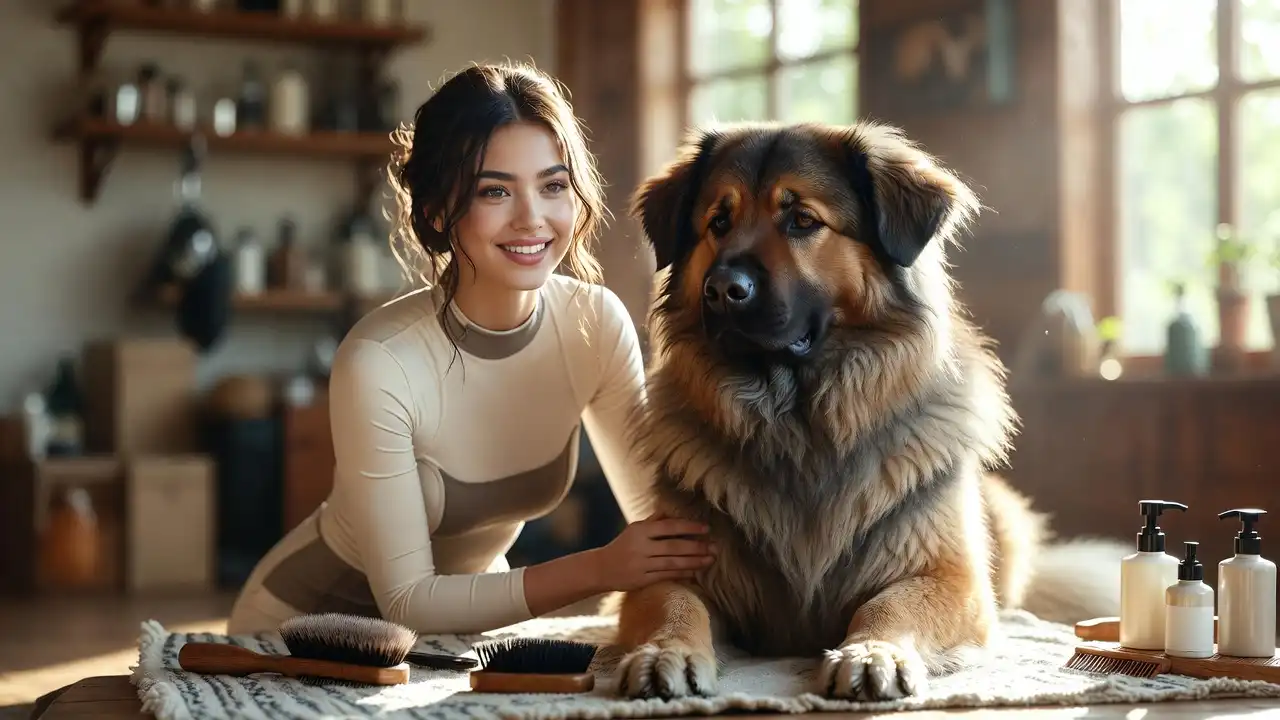
You run your fingers through your Anatolian Shepherd’s thick double coat and pull back a handful of fur. Again. The tumbleweeds of hair rolling across your floors could build another dog at this point. You’re wondering if you’re doing something wrong—or if this magnificent guardian breed is just destined to leave fur on everything you own forever.
As an Anatolian Shepherd owner, I’ve been exactly where you are. That first major shedding season caught me completely off guard. But here’s what I’ve learned after years of grooming these incredible dogs: with the right approach, tools, and routine, managing your Anatolian’s coat becomes surprisingly straightforward. You don’t need expensive groomer visits or hours of daily brushing. You just need to understand how their coat works and what it actually needs.
Understanding the Anatolian Shepherd Coat
Before you grab a brush, you need to understand what you’re working with. Anatolian Shepherds have a double coat designed by centuries of evolution to protect them from extreme Turkish weather—scorching summers and freezing winters on the Anatolian plateau.
The outer coat consists of longer, coarser guard hairs that repel dirt, water, and debris. The undercoat is dense and soft, providing insulation. This combination makes them remarkably weather-resistant but also means they shed. A lot.
According to the American Kennel Club, Anatolian Shepherds are considered moderate shedders year-round with heavy shedding during seasonal “coat blows” in spring and fall. This is completely normal and healthy—not a sign that something is wrong with your dog.
Many Anatolian Shepherd owners don’t realize that coat length can vary within the breed. Some Anatolians have shorter, tighter coats while others have longer, slightly wavy fur, especially around the neck and tail. Your grooming routine should adapt to your individual dog’s coat type.
Essential Grooming Tools for Anatolian Shepherds
You don’t need a garage full of equipment, but having the right tools makes a massive difference. In my experience working with large guardian breeds, these are the essentials:
Must-Have Tools
Undercoat rake: This is your primary weapon against shedding. The long teeth reach through the outer coat to remove loose undercoat without damaging the guard hairs. Look for one with rotating teeth to prevent pulling.
Slicker brush: Great for removing tangles, mats, and surface debris. Use gentle pressure—Anatolians have sensitive skin beneath all that fur.
Steel comb: Perfect for checking your work and tackling areas behind ears and under legs where mats love to hide.
Nail clippers or grinder: Large, heavy-duty clippers designed for giant breeds. Many owners prefer grinders for more control.
High-velocity dryer (optional but recommended): If you bathe your Anatolian at home, a force dryer blasts out loose undercoat while drying and dramatically reduces shedding.
| Tool | Purpose | Frequency of Use |
|---|---|---|
| Undercoat Rake | Remove loose undercoat | Weekly (daily during shedding season) |
| Slicker Brush | Detangle and remove debris | Weekly |
| Steel Comb | Check for mats, detail work | Weekly |
| Nail Clippers/Grinder | Maintain nail length | Every 2-4 weeks |
| High-Velocity Dryer | Dry coat and blast loose fur | After baths |
💡 Pro Tip: Invest in quality tools from the start. Cheap undercoat rakes break or pull fur painfully. A good rake costs more upfront but lasts for years and makes grooming sessions much more pleasant for both you and your Anatolian. For more breed-specific equipment recommendations, check out the Anatolian Shepherd care guides on our site.
How Often Should You Groom an Anatolian Shepherd?
One of the most common questions I hear from new Anatolian owners is about grooming frequency. The answer depends on the season and your dog’s individual coat.
Regular Maintenance (Most of the Year)
During normal periods, brushing once or twice per week keeps the coat healthy and manageable. A 15-20 minute session with an undercoat rake followed by a slicker brush removes loose fur, distributes natural oils, and lets you check for any skin issues, ticks, or injuries hidden beneath that thick coat.
Shedding Season (Spring and Fall)
When your Anatolian “blows coat,” everything changes. During these intense 2-4 week periods, daily brushing is almost mandatory unless you want fur covering every surface of your home. The undercoat comes out in clumps—you’ll be amazed at how much fur one dog can produce.
The American Veterinary Medical Association notes that regular grooming is essential for large breed dogs not just for appearance, but for skin health and early detection of potential problems.
Step-by-Step Brushing Guide
Here’s the brushing routine that works best for Anatolian Shepherds:
Step 1: Start with the Undercoat Rake
Work in sections, brushing in the direction of hair growth. Start at the neck and work your way back toward the tail, then do the sides and legs. Use long, gentle strokes—let the rake do the work. Don’t press hard or you’ll irritate the skin.
Step 2: Address Problem Areas
Pay extra attention to areas where mats commonly form: behind the ears, under the “armpits,” around the collar area, and the feathering on the back legs and tail. Use your slicker brush and steel comb for these spots.
Step 3: Finish with the Slicker Brush
Go over the entire coat with a slicker brush to remove any remaining loose fur on the surface and give the coat a nice finished look. This also helps distribute the natural oils that keep an Anatolian’s coat water-resistant and healthy.
Step 4: Check Your Work
Run the steel comb through the coat. If it moves smoothly without catching, you’ve done a thorough job. If it snags, there’s still undercoat or a tangle that needs attention.
⚠️ Expert Warning: Never shave your Anatolian Shepherd’s double coat thinking it will help them stay cool. The double coat actually insulates against heat AND cold. Shaving disrupts this system, can cause sunburn, and the coat may never grow back correctly. The only exception is for medical procedures under veterinary guidance.
Bathing Your Anatolian Shepherd
Good news: Anatolian Shepherds don’t need frequent baths. Their coat has natural oils that repel dirt, and overbathing strips these oils away. Most Anatolians only need a bath every 2-3 months, or when they’ve rolled in something unpleasant (which, if yours is anything like mine, happens occasionally).
Bathing Tips for Large Guardian Breeds
Brush thoroughly before bathing. Wet mats become concrete. Always remove tangles and loose undercoat before the dog gets wet.
Use lukewarm water. Test it on your wrist like you would for a baby. Anatolians have sensitive skin under all that fur.
Choose the right shampoo. Use a mild, dog-specific shampoo. Oatmeal-based formulas work well for Anatolians with sensitive skin. Avoid human shampoos—the pH is wrong for dogs.
Rinse completely. This is critical. Shampoo residue causes itching and skin irritation. With a coat this thick, rinsing takes longer than you’d expect. When you think you’re done, rinse again.
Dry thoroughly. A damp undercoat can lead to hot spots and skin infections. If you have a high-velocity dryer, use it. Otherwise, towel dry as much as possible and let them air dry in a warm area. Don’t let a wet Anatolian lie on carpet or bedding.
Nail Care for Anatolian Shepherds
Nail trimming is one of the most overlooked aspects of grooming, especially with large breeds. Overgrown nails cause discomfort, affect gait, and can lead to joint problems over time.
Anatolian Shepherds that spend time on hard surfaces like concrete or rocky terrain may naturally wear down their nails. But many—especially those on soft pasture or who spend time indoors—need regular trimming every 2-4 weeks.
How to Trim Your Anatolian’s Nails
Get the right equipment. Standard dog nail clippers won’t cut it for a 100+ pound dog. Use large, heavy-duty guillotine or scissor-style clippers, or a powerful nail grinder.
Find the quick. On light-colored nails, you can see the pink quick (the blood supply). Cut 2-3mm before it. On dark nails, trim small amounts at a time and look for the chalky white center that indicates you’re approaching the quick.
Don’t forget the dewclaws. If your Anatolian has dewclaws (the “thumb” nails higher up on the leg), these don’t wear down naturally and need regular trimming.
Make it positive. Pair nail trimming with treats and praise. If your Anatolian is resistant, do one or two nails per session until they get comfortable with the process.
💡 Pro Tip: If you accidentally cut the quick and cause bleeding, don’t panic. Apply styptic powder or cornstarch to stop the bleeding. It looks dramatic but isn’t serious. Your dog will forgive you—just go slower next time. For more detailed Anatolian Shepherd ownership advice, explore our complete care resources.
Ear and Eye Care
Anatolian Shepherds have drop ears that can trap moisture and debris, making them prone to ear infections if not checked regularly.
Ear Cleaning Routine
Check ears weekly for redness, unusual odor, or discharge. Clean with a veterinarian-approved ear cleaning solution and cotton balls—never insert anything into the ear canal. A healthy ear should be pale pink with no strong smell. If you notice persistent odor, dark discharge, or your dog scratching at their ears frequently, consult your vet.
Eye Care
Anatolian Shepherds can develop tear staining and occasional eye discharge. Wipe the corners of the eyes gently with a damp cloth as needed. If you notice excessive tearing, redness, cloudiness, or squinting, these could indicate eye problems that need veterinary attention. The breed can be prone to entropion (inward-rolling eyelids), so keep an eye out for signs of eye irritation.
Dental Care
Dental health is often the most neglected aspect of dog grooming, but it’s crucial for overall health. Periodontal disease can lead to serious systemic health issues.
Ideally, brush your Anatolian’s teeth several times per week using a dog-specific toothpaste (never human toothpaste—the fluoride is toxic to dogs). Use a large dog toothbrush or finger brush. If your dog won’t tolerate brushing, dental chews and water additives can help, though they’re not as effective as brushing.
According to VCA Animal Hospitals, regular dental care can prevent painful dental disease and potentially add years to your dog’s life.
Dealing with Mats and Tangles
Even with regular brushing, mats can happen—especially if your Anatolian works outdoors and encounters burrs, twigs, or gets wet frequently.
How to Remove Mats Safely
Work on dry fur. Wet mats tighten and become nearly impossible to remove without cutting.
Use a detangling spray. Apply a dog-safe detangler and let it sit for a few minutes to loosen the mat.
Start from the outside. Work from the edges of the mat inward, using your fingers or a mat splitter to gently separate the fur. Never pull or yank.
Know when to cut. If a mat is tight to the skin or causing your dog pain, it’s better to carefully cut it out than to torture your dog trying to brush it. Use blunt-tipped scissors and cut parallel to the skin, not toward it.
Prevent future mats. Regular brushing is the only real prevention. Pay extra attention to friction areas where mats commonly form.
Grooming Tips for Working Anatolian Shepherds
If your Anatolian Shepherd works as a livestock guardian, grooming takes on additional importance. Working dogs encounter more dirt, debris, and potential skin irritants than companion dogs.
Check daily for injuries. Working dogs can sustain cuts, scrapes, or puncture wounds that hide under their thick coat. A quick daily hands-on check catches problems early.
Remove burrs and foxtails promptly. These can work their way into the skin and cause serious infections if left unattended.
Check for ticks religiously. Anatolians in rural areas are tick magnets. Feel through the coat regularly, especially around ears, neck, and between toes.
Don’t over-bathe. Working Anatolians need their natural coat oils to stay weather-resistant. Spot clean when necessary rather than full baths.
Seasonal Grooming Adjustments
Spring
This is heavy shedding season as your Anatolian sheds the thick winter undercoat. Increase brushing to daily sessions. A bath followed by a thorough blow-dry can help remove massive amounts of loose undercoat at once.
Summer
Once the spring shed is complete, the coat will be lighter. Continue weekly brushing and watch for hot spots, which are more common in warm, humid weather. Never shave the coat—it protects against sunburn and overheating.
Fall
Another shedding season as the summer coat makes way for thicker winter fur. Return to daily brushing during this transition period.
Winter
The coat will be at its fullest. Weekly brushing maintains it. Watch for ice balls forming between toes in snowy climates—these can be painful. Keep the fur between paw pads trimmed if necessary.
Professional Grooming: Is It Necessary?
Most Anatolian Shepherd owners can handle grooming at home. Unlike breeds requiring haircuts and styling, the Anatolian’s coat is meant to be natural. However, professional grooming can be helpful in certain situations:
If you physically can’t manage brushing a large, sometimes uncooperative dog, a professional groomer can help during heavy shedding seasons.
If your Anatolian has severe mats that need professional dematting or clipping.
If nail trimming is a battle you’re losing—some dogs do better with a neutral third party.
If you want a thorough “reset” bath with professional-grade equipment, especially during shedding season.
⚠️ Expert Warning: If you use a professional groomer, be very clear that your Anatolian should NOT be shaved or given a “summer cut.” Some groomers unfamiliar with double-coated guardian breeds may suggest this. Insist on a deshedding treatment and bath only. The breed standard calls for a natural coat, and shaving can permanently damage the coat texture.
Training Your Anatolian to Accept Grooming
Anatolian Shepherds are independent thinkers. If they decide they don’t like grooming, convincing them otherwise takes patience. Start early if possible, but even adult dogs can learn to tolerate grooming with the right approach.
Start slow. Don’t try to do a full grooming session the first time. Start by just touching your dog with the brush while giving treats.
Make it positive. Associate grooming with good things—treats, praise, calm attention. Never force or punish.
Keep sessions short. Ten minutes of relaxed grooming is better than thirty minutes of struggling. Build duration gradually.
Choose good timing. Groom when your Anatolian is calm and tired, not when they’re full of energy and want to play.
Be consistent. Regular, short sessions build acceptance faster than occasional marathon battles.
Common Grooming Mistakes to Avoid
Shaving the double coat: We’ve covered this, but it bears repeating. Don’t do it.
Bathing too frequently: This strips natural oils and can cause dry, itchy skin.
Using the wrong tools: Human brushes, cheap rakes, or tools designed for small dogs won’t work effectively on an Anatolian’s thick coat.
Skipping regular maintenance: It’s tempting to skip brushing when life gets busy, but this leads to mats and makes shedding season much worse.
Ignoring the undercoat: Surface brushing doesn’t remove the loose undercoat that causes most shedding problems.
Forgetting to check skin condition: All that fur hides what’s happening underneath. Make grooming an opportunity to check for lumps, bumps, parasites, or skin issues.
Frequently Asked Questions
How often should I brush my Anatolian Shepherd?
During normal periods, once or twice per week is sufficient to keep the coat healthy and control shedding. During spring and fall shedding seasons when they “blow” their coat, daily brushing is recommended. Each session should take 15-20 minutes for a thorough job. Consistency matters more than duration—regular short sessions are more effective than occasional long ones.
Can I shave my Anatolian Shepherd in summer to keep them cool?
No, you should never shave an Anatolian Shepherd’s double coat. The double coat actually insulates against both heat and cold by trapping air between the layers. Shaving removes this natural temperature regulation, can cause sunburn on exposed skin, and often results in the coat growing back with abnormal texture. Instead, keep them well-brushed to remove loose undercoat and ensure they have access to shade and water.
Why does my Anatolian Shepherd shed so much even with regular brushing?
Some shedding is completely normal for this double-coated breed—you’ll never eliminate it entirely. However, if shedding seems excessive outside of normal seasonal changes, it could indicate poor nutrition, allergies, stress, hormonal issues, or skin problems. Ensure your dog is eating a high-quality diet appropriate for large breeds. If the shedding is accompanied by bald patches, irritated skin, or other symptoms, consult your veterinarian to rule out underlying health issues.
What’s the best brush for an Anatolian Shepherd’s coat?
The most important tool is an undercoat rake with long, rotating teeth—this reaches through the guard hairs to remove loose undercoat without damaging the outer coat. Complement this with a quality slicker brush for surface debris and tangles, and a steel comb for detail work and checking your progress. Avoid furminator-style tools that can cut the guard hairs if used improperly. Investing in quality tools makes a significant difference in effectiveness and your dog’s comfort.
How often should I bathe my Anatolian Shepherd?
Anatolian Shepherds only need bathing every 2-3 months under normal circumstances, or when they get genuinely dirty or smelly. Their coat has natural oils that repel dirt and provide weather resistance—overbathing strips these oils and can lead to dry, itchy skin. Between baths, regular brushing removes most dirt and debris. When you do bathe, always brush thoroughly before getting the coat wet, and ensure complete drying afterward to prevent hot spots.
My Anatolian Shepherd hates being groomed. What can I do?
Start by making grooming sessions very short—even just a minute or two—and pair them with high-value treats and calm praise. Choose times when your dog is already relaxed, like after a walk or play session. Use gentle pressure and stop before your dog becomes stressed. Gradually increase the duration over weeks or months. If your Anatolian has had negative grooming experiences in the past, you may need to completely restart the process, conditioning them to see the brush as something positive rather than threatening.
Do Anatolian Shepherds need professional grooming?
Most Anatolian Shepherds don’t require professional grooming since their coat is meant to be natural without cuts or styling. However, professional groomers can be helpful during heavy shedding seasons for a thorough deshedding treatment with high-powered dryers, for severe matting situations, or if you have difficulty managing nail trimming or handling your large dog during grooming. If you do use a professional, make absolutely certain they understand not to shave double-coated breeds.
Final Thoughts
Grooming an Anatolian Shepherd isn’t complicated once you understand what their magnificent double coat needs. Regular brushing, occasional baths, routine nail care, and attention to ears, eyes, and teeth keep your guardian breed healthy, comfortable, and looking their best.
Yes, there will be fur. Accept this as part of sharing your life with one of these incredible dogs. But with the right tools and a consistent routine, you can keep shedding manageable and your Anatolian’s coat in peak condition.
The time you spend grooming is also time spent bonding. Your hands moving through that thick coat become familiar and comforting to your dog. You’ll notice health issues early. You’ll know your dog’s body and be able to spot problems before they become serious.
For more detailed guides on caring for your livestock guardian dog, explore the trusted Anatolian Shepherd resources throughout our site. Your Anatolian deserves the best care, and with a little knowledge and consistency, that’s exactly what you can provide.
🐾 Author Bio
Written by: Sarah Mitchell, Large Guardian Breed Content Writer at AnatolianShepherd.me
Experienced Anatolian Shepherd owner with hands-on knowledge of guardian dog care, behavior, and health.
Content reviewed using trusted veterinary references and real owner experience for accuracy and reliability.
Disclaimer: This content is for educational purposes only and does not replace professional veterinary advice. Always consult with qualified professionals regarding your specific situation.
Leave a Reply