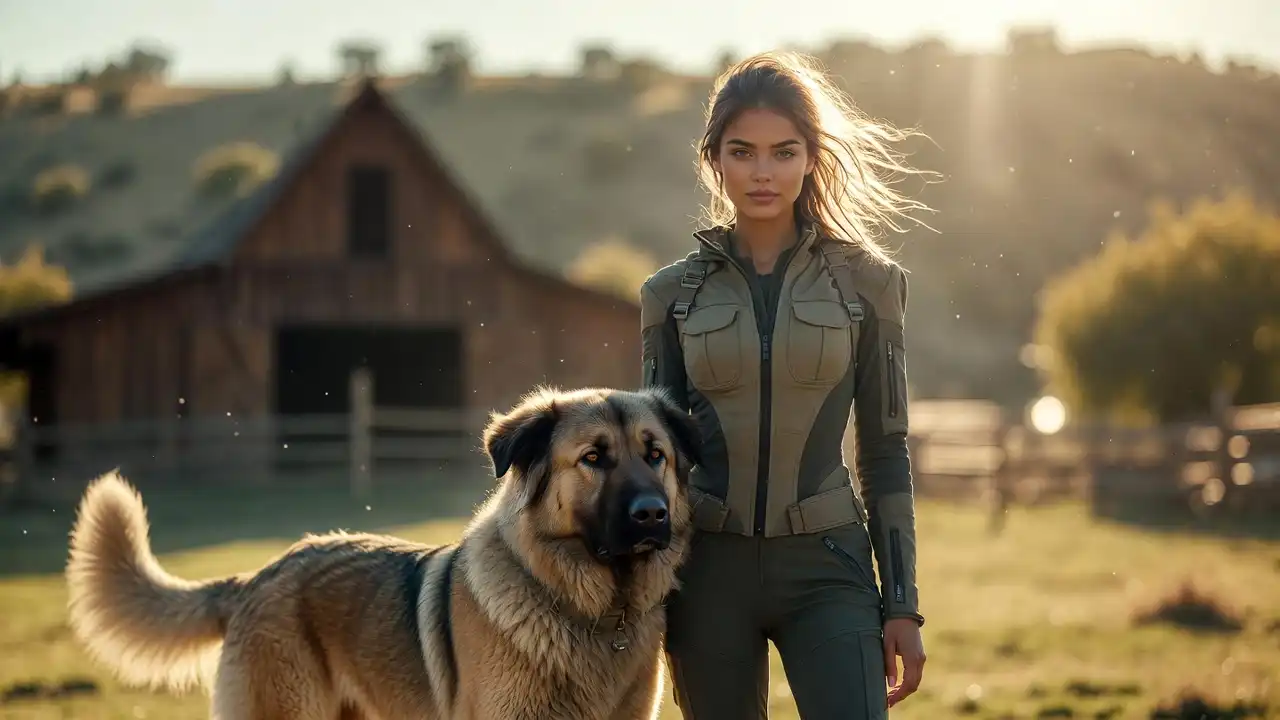
It happened faster than I could process. My Anatolian Shepherd, who had been lying peacefully in the yard moments before, was suddenly on her feet—body rigid, ears pitched forward, hackles raised in a ridge from neck to tail. A stranger had turned onto our driveway, still a hundred yards away, and she knew before any of us. In that instant, I realized something crucial: if I couldn’t read what she was telling me, I couldn’t effectively manage what happened next.
Learning to interpret Anatolian Shepherd body language isn’t just interesting—it’s essential for safety, training, and building the deep trust these guardian dogs require. Their communication is subtle, layered, and often misunderstood by owners accustomed to more demonstrative breeds. After fifteen years of working with livestock guardian dogs, I’ve learned that what an Anatolian doesn’t do often matters as much as what they do. Let me share what their silent language actually means.
Why Anatolian Shepherd Body Language Is Different
Before diving into specific signals, you need to understand why Anatolians communicate differently than most dogs. These aren’t companion breeds bred to please humans and express themselves obviously. They’re working guardians whose ancestors survived by being subtle, strategic, and self-contained.
In their traditional role protecting livestock from predators, obvious emotional displays would have been liabilities. A dog that broadcast fear, excitement, or aggression from a distance gave predators information they could exploit. Over thousands of years, Turkish shepherds selected dogs who revealed their intentions only when necessary—and often, only at the last moment.
This heritage means your Anatolian’s body language is often understated and economical. A subtle ear position change that would mean nothing in a Labrador might signal serious intent in an Anatolian. Many owners miss these signals entirely—then are shocked when their “calm” dog suddenly acts. The dog wasn’t calm; the owner just couldn’t read the building tension.
The American Kennel Club describes the Anatolian temperament as “calm, but aware”—a perfect summary of their communication style. They’re constantly processing information, but they don’t feel compelled to share their internal state with everyone watching.
The Eyes: Windows to Guardian Intent
Anatolian Shepherd eyes reveal more than any other body part. Learning to read them gives you advance warning of their mental state and intended actions.
Soft, Relaxed Eyes
When your Anatolian is truly relaxed, their eyes appear soft and slightly squinted. The muscles around the eyes are loose. They may blink slowly or hold gentle eye contact with family members. This is contentment—your dog feels safe and isn’t actively monitoring for threats.
Hard, Fixed Stare
A hard stare with wide-open eyes and minimal blinking indicates focused attention on a potential threat. The whites of the eyes may become visible (whale eye). This is your Anatolian’s assessment mode—they’ve identified something worth watching and are gathering information before deciding on action. If directed at a person or animal, intervention may be needed.
Averted Gaze
When an Anatolian deliberately looks away from something, they’re often communicating non-threat or deference—depending on context. Looking away from an approaching person might mean “I’m not challenging you.” Looking away from you during training might mean “I’m thinking about whether to comply.” Context matters enormously.
Whale Eye (Showing Whites)
When you can see the whites of your Anatolian’s eyes in a crescent shape, they’re experiencing stress, fear, or extreme alertness. This signal indicates discomfort with the current situation. If a child is hugging your Anatolian and you see whale eye, the dog is tolerating but not enjoying the interaction—time to redirect.
⚠️ Critical Warning: The Stillness Before Action
Many Anatolian Shepherd owners don’t realize that the most dangerous moment isn’t when their dog is barking or moving—it’s when they go completely still while maintaining a fixed stare. This “freeze” often precedes action. If your Anatolian locks onto a target and becomes motionless, they may be seconds away from moving. This is your intervention window. Once they break from stillness, redirecting becomes exponentially harder.
Ear Positions and What They Mean
Anatolian Shepherds have moderately-sized triangular ears that fold forward. While not as mobile as erect-eared breeds, their ear positions still communicate significant information.
| Ear Position | Meaning | Your Response |
|---|---|---|
| Neutral (relaxed, slightly forward) | Calm, content, no active concerns | None needed—all is well |
| Pricked forward (high and alert) | Focused attention, assessing something | Identify what they’re watching |
| Pinned back flat | Fear, submission, or preparation to act | Assess context; may need intervention |
| Rotating/twitching | Active listening, tracking sounds | Normal patrol behavior |
| One forward, one back | Monitoring multiple stimuli | They’re processing—give them space |
As an Anatolian Shepherd owner, I’ve learned to watch ear position as an early warning system. When my dog’s ears shift from neutral to forward-focused, something has caught her attention. This gives me time to assess the situation before she decides whether action is warranted.
Tail Language: More Than Wagging
The Anatolian Shepherd’s tail is long, reaching at least to the hock, and carried in various positions depending on their emotional state. Understanding tail language prevents common misinterpretations.
Tail Down and Relaxed
A tail hanging naturally, possibly with a slight curve at the end, indicates a relaxed, non-aroused state. This is what you want to see during normal daily activities.
Tail Raised High (Curled Over Back)
When an Anatolian’s tail rises high and curls over their back, they’re in an aroused, alert state. This position is common during patrol behavior, when meeting new people or animals, or when something has triggered their guardian instincts. It signals confidence and readiness.
Tail Tucked
A tucked tail indicates fear, anxiety, or submission. This is less common in confident adult Anatolians but may appear in puppies, poorly socialized dogs, or when facing overwhelming stimuli. If your adult Anatolian frequently tucks their tail, investigate potential stressors or health issues.
Slow, Deliberate Wagging
A slow wag with a raised tail doesn’t necessarily mean friendliness in Anatolians. This combination often indicates assessment—they’re interested but haven’t decided whether to approach or defend. Watch other body language simultaneously.
Fast, Loose Wagging
Rapid wagging with a loose, relaxed body indicates genuine happiness and excitement. You’ll typically see this when you come home, during play with trusted family members, or when anticipating something positive like meals or walks.
💡 Pro Tip: The Whole Dog, Not Just the Tail
Never interpret tail position in isolation. A wagging tail with a stiff body, hard eyes, and forward ears communicates something very different from a wagging tail with a loose body and soft expression. Anatolians who wag while displaying other tension signals are often in conflict—they’re uncertain whether to be friendly or defensive. These situations require careful management.
Hackles: The Truth About Raised Fur
The hackles—the strip of fur along an Anatolian’s spine that can stand erect—are commonly misinterpreted. Raised hackles don’t automatically mean aggression.
Piloerection (the technical term for raised hackles) is an involuntary response triggered by arousal of any kind: excitement, fear, curiosity, or yes, aggressive intent. I’ve seen my Anatolian raise her hackles when greeting her favorite person, encountering an unusual smell, and confronting a coyote. The trigger varied enormously; the physical response looked identical.
The American Veterinary Medical Association emphasizes reading multiple body language signals together rather than focusing on single indicators. Hackles combined with other signs tell the real story:
- Hackles + loose body + forward movement = excitement or curiosity
- Hackles + stiff body + forward lean = potential aggression or strong defensive posture
- Hackles + stiff body + weight shifted back = fear-based arousal, possible defensive reaction
- Hackles + play bow + bouncy movement = excited playfulness
Body Posture: The Big Picture
Overall body posture provides context for interpreting specific signals. Learn to read your Anatolian’s whole body as a communication system.
Relaxed Neutral Posture
A content Anatolian stands with weight evenly distributed, muscles loose, head at normal height, and no particular tension anywhere. They may lie down with legs tucked or stretched out, potentially exposing their belly in extremely relaxed states. This is baseline—learn what your individual dog looks like when truly at ease.
Alert Posture
When something catches their attention, Anatolians shift into alert posture: weight slightly forward, head raised, ears forward, tail potentially raised. Muscles engage but aren’t rigid. This is normal guardian behavior—they’ve detected something worth monitoring but haven’t classified it as a threat yet.
Defensive Posture
A defensive Anatolian makes themselves look larger: weight forward, head high, hackles raised, tail high. They may stand perpendicular to the perceived threat, displaying their size. Lips may be pulled back, showing teeth. This is a serious signal—the dog is prepared to act if the threat doesn’t retreat.
Fear Posture
A frightened Anatolian makes themselves smaller: weight shifted back or lowered, head down, ears back, tail tucked. They may attempt to move away from the fear source. Importantly, a scared Anatolian can still bite—fear aggression occurs when retreat isn’t possible. Never corner a frightened dog.
Play Posture
Playful Anatolians display the classic play bow (front end down, rear end up), bouncy movements, exaggerated expressions, and loose, wiggly bodies. Play bows are invitations—your dog is asking for interaction. Even adult Anatolians play, though typically with trusted family members rather than strangers.
Vocalizations: What Different Sounds Mean
Anatolians are more vocal than many people expect from a guardian breed. Understanding their different sounds helps you respond appropriately. For comprehensive breed information, explore our Anatolian Shepherd care guides.
The Warning Bark
Deep, measured barks spaced several seconds apart are territorial announcements: “I’m here, I see you, don’t come closer.” This is the Anatolian doing their job—alerting to potential threats. The spacing allows them to listen for responses between barks.
The Alarm Bark
Rapid, intense barking with little pause between sounds indicates something the dog considers a genuine threat. This is escalated concern—they want you to know something serious is happening. Investigate promptly.
The Demand Bark
Short, sharp barks directed at you often mean your Anatolian wants something: attention, food, access to a different area, or acknowledgment of something they’ve noticed. This is communication, not necessarily guardian behavior.
Growling
Growling is a warning signal that should be respected, not punished. Your Anatolian is communicating discomfort or threat perception before escalating to action. A dog who learns that growling brings punishment may skip the warning next time and go directly to biting. Listen to the growl, address the underlying issue, and thank your dog for communicating.
Whining
Whining indicates emotional stress: anxiety, frustration, excitement, or need. Context determines meaning. A whine at the door may mean “I need to go out.” A whine when you’re leaving may indicate separation anxiety. A whine during veterinary handling suggests fear or discomfort.
The “Woo-Woo”
Many Anatolians make a distinctive “woo-woo” or howl-like vocalization when greeting family members or expressing excitement. This endearing sound is common in the breed and typically indicates positive emotion.
Subtle Stress Signals Often Missed
In my experience working with large guardian breeds, owners often miss subtle stress signals that precede more obvious distress. Learning these early indicators helps you intervene before situations escalate.
| Subtle Signal | What It Often Means |
|---|---|
| Lip licking (no food present) | Anxiety, discomfort, or appeasement |
| Yawning (when not tired) | Stress or attempting to self-calm |
| Looking away deliberately | Avoidance, deference, or calming signal |
| Sniffing the ground suddenly | Displacement behavior indicating stress |
| Scratching (without apparent itch) | Displacement behavior, nervousness |
| Panting (when not hot) | Anxiety or stress response |
| Shaking off (when not wet) | Releasing tension after stressful moment |
| Lowered body/slow movements | Uncertainty, caution, or submission |
When you see clusters of these signals, your Anatolian is telling you something is wrong. Identify the stressor and remove your dog from the situation if possible, or address the trigger directly.
Reading Body Language in Context
The same signal can mean different things depending on circumstances. Here’s how context shapes interpretation:
With Family Members
Anatolians typically display more relaxed, expressive body language with trusted family. They may lean against you for contact, roll over for belly rubs, make sustained eye contact, and vocalize more freely. These behaviors indicate trust and bonding.
With Strangers
Most Anatolians become more reserved with unfamiliar people. Expect alert posture, focused watching, and slower, more deliberate movements. This isn’t necessarily hostility—it’s assessment. A properly socialized Anatolian should eventually relax once they determine the stranger isn’t a threat, especially if you signal acceptance.
With Other Dogs
Anatolians often display subtle dominance signals with unfamiliar dogs: direct staring, standing tall, placing their head over the other dog’s shoulders, or mounting. These aren’t necessarily aggressive, but they can trigger defensive reactions from other dogs. Same-sex interactions warrant particular caution.
With Livestock or Protected Animals
Working Anatolians display specific guardian behaviors around their charges: circling, positioning themselves between the flock and potential threats, scent-marking boundaries, and showing heightened alertness. These behaviors are appropriate and shouldn’t be discouraged in working dogs.
💡 Pro Tip: Create a Body Language Journal
Every Anatolian has individual quirks in how they communicate. Spend a week noting specific signals you observe and what triggered them. You’ll start recognizing patterns unique to your dog. My current Anatolian scratches her ear whenever she’s uncertain about something—a signal I’d never have learned without careful observation. This individual knowledge is invaluable for preventing problems.
Common Misinterpretations to Avoid
Even experienced dog owners sometimes misread Anatolian body language because they expect these dogs to communicate like other breeds. Here are mistakes I frequently see:
- “He’s fine—he’s wagging his tail”—Tail wagging indicates arousal, not necessarily friendliness. Check other signals.
- “She’s just being lazy”—Anatolians conserve energy and observe. Stillness is often active monitoring, not laziness.
- “He’s being stubborn by ignoring me”—Looking away may be a calming signal or indicate your approach is too intense.
- “She loves being hugged”—Most dogs tolerate rather than enjoy restraining hugs. Watch for whale eye and stiffening.
- “He’s growling—I need to punish that”—Growling is communication. Punishing it removes a warning without addressing the underlying issue.
- “She’s being aggressive with other dogs”—Breed-typical posturing isn’t necessarily aggression. Learn the difference.
Using Body Language Reading for Training
Understanding your Anatolian’s body language dramatically improves training effectiveness. When you can read their emotional state, you can adjust your approach in real-time.
If your Anatolian displays stress signals during training—lip licking, yawning, looking away—you’re likely pushing too hard or too fast. Reduce difficulty, take a break, or end the session positively. Forcing training when your dog is stressed creates negative associations and deteriorates trust.
Conversely, a relaxed, engaged Anatolian with soft eyes and loose body is in optimal learning state. Take advantage of these moments for more challenging work. The AVMA notes that positive reinforcement methods produce better outcomes than punishment-based approaches—and reading body language helps you time reinforcement perfectly.
For additional guidance on working with guardian breed temperaments, visit our Anatolian Shepherd ownership advice resources.
⚠️ Expert Warning: Respect the Communication
When your Anatolian communicates discomfort—through any signal—they’re telling you something important. Dogs who learn their communication is ignored eventually stop communicating and move directly to action. An Anatolian who growls before biting is giving you a gift; use that information rather than punishing it. Every time you respect your dog’s boundaries when they communicate them, you strengthen the communication channel for the future.
Frequently Asked Questions
Final Thoughts
Learning to read your Anatolian Shepherd’s body language transforms your relationship from coexistence to genuine communication. These ancient guardians have their own sophisticated language—one developed over thousands of years of partnership with humans. Taking the time to learn it shows respect for their intelligence and builds the trust essential for living safely with a powerful guardian breed.
Start observing today. Watch your Anatolian in different situations and note what you see. Over time, patterns will emerge, and you’ll develop an almost intuitive sense of what your dog is thinking and feeling. This understanding prevents problems before they start, deepens your bond, and makes you a better advocate for your dog in challenging situations.
For more expert guidance on understanding and living with these remarkable dogs, explore the trusted Anatolian Shepherd resources available throughout this site. Your commitment to understanding your guardian speaks volumes about the kind of owner you are.
🐾 Author Bio
Written by: Elena Vasquez, Large Guardian Breed Content Writer at AnatolianShepherd.me
Experienced Anatolian Shepherd owner with hands-on knowledge of guardian dog care, behavior, and health. Content reviewed using trusted veterinary references and real owner experience for accuracy and reliability.
Disclaimer: This content is for educational purposes only and does not replace professional veterinary, behavioral, or training advice. Always consult with qualified professionals for behavioral concerns regarding your dog.
Leave a Reply