You’ve seen those majestic, bear-like dogs guarding livestock on farms, and now you’re wondering if an Anatolian Shepherd puppy could be right for your family. Or maybe you’ve already fallen in love with one at a breeder’s and you’re trying to figure out what you’ve gotten yourself into. Let me be honest with you right from the start: Anatolian Shepherd puppies are not Golden Retrievers. They’re not even German Shepherds. These ancient guardian dogs come with a unique set of challenges and rewards that will test you, surprise you, and—if you’re the right match—change your life.
I’ve worked with several Anatolian Shepherd owners over the years, and the ones who succeed are those who understood what they were getting into before that adorable 20-pound puppy turned into a 140-pound independent thinker with protective instincts that don’t turn off. Let’s talk about what raising an Anatolian Shepherd puppy really looks like, so you can decide if you’re truly ready for this incredible breed.
- What Is an Anatolian Shepherd?
- Physical Characteristics of Anatolian Shepherd Puppies
- Temperament: What You're Really Signing Up For
- Raising an Anatolian Shepherd Puppy: Month by Month
- Training an Anatolian Shepherd Puppy
- Socialization: The Most Critical Factor
- Exercise and Activity Needs
- Health Considerations for Anatolian Shepherd Puppies
- Feeding Your Anatolian Shepherd Puppy
- Living Situations: Where Anatolians Thrive
- The Cost of Raising an Anatolian Shepherd Puppy
- Real Stories from Anatolian Shepherd Owners
- Is an Anatolian Shepherd Puppy Right for You?
- Frequently Asked Questions
What Is an Anatolian Shepherd?
The Anatolian Shepherd (also called the Anatolian Shepherd Dog or Kangal) originated in Turkey over 6,000 years ago. These dogs were bred to guard livestock against predators like wolves, bears, and jackals—without human direction. Read that last part again: without human direction. This is key to understanding everything about this breed.
Unlike herding dogs that constantly look to their handler for guidance, Anatolian Shepherds were bred to think independently, assess threats, and make life-or-death decisions on their own. They spent their days and nights alone with flocks in remote mountain ranges, trusted to protect sheep from apex predators while their shepherds were miles away.
This history created a dog that is:
- Fiercely independent
- Naturally suspicious of strangers
- Protective without being trained to protect
- Calm and observant rather than playful and energetic
- More cat-like in temperament than typical dogs
Physical Characteristics of Anatolian Shepherd Puppies
Size and Growth Rate
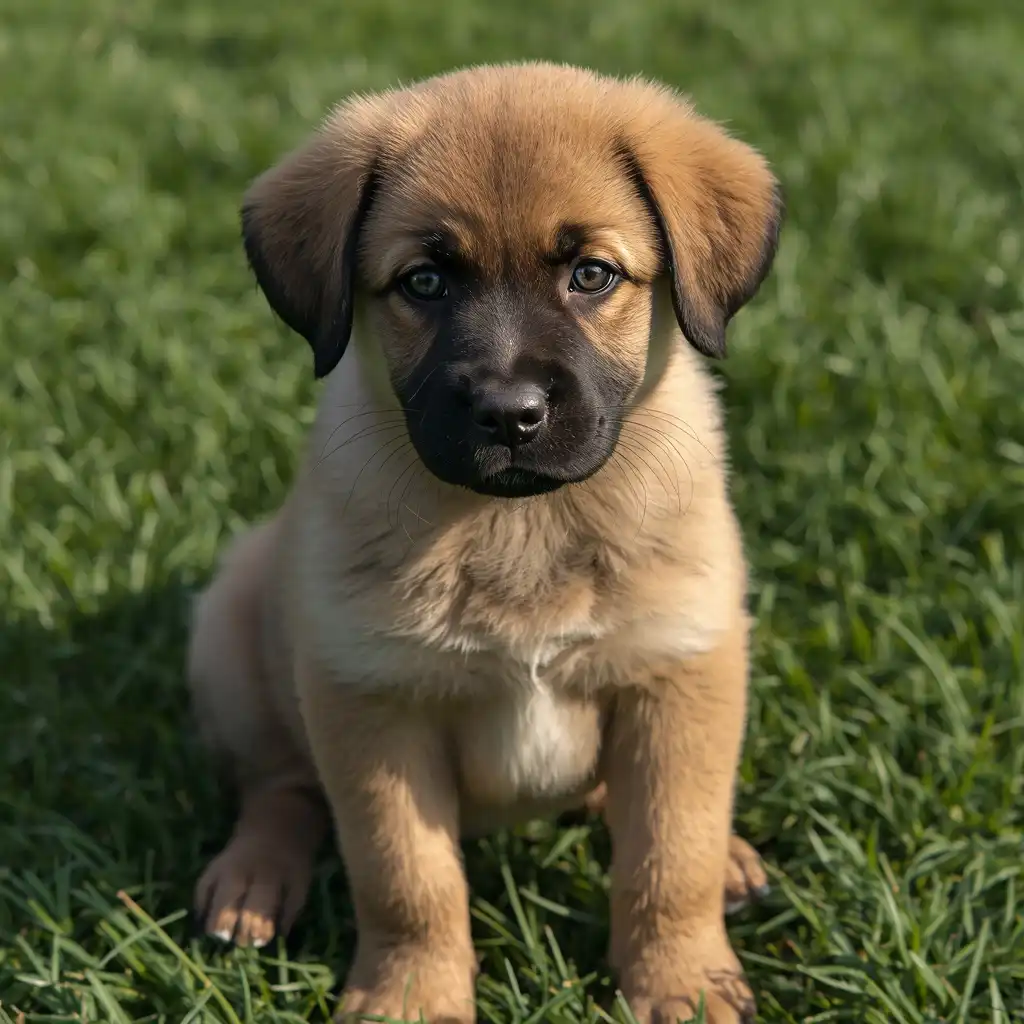
Anatolian Shepherd puppies are deceptively manageable when you first bring them home. At 8 weeks, they typically weigh 15-25 pounds and look like adorable, fluffy teddy bears. Don’t let this fool you.
Growth Timeline:
- 3 months: 30-45 pounds
- 6 months: 60-85 pounds
- 12 months: 90-120 pounds
- 18-24 months: Full adult size (males 110-150 pounds, females 80-120 pounds)
They reach their full height around 12 months but continue filling out and maturing mentally until age 3-4. That’s right—you’re dealing with a puppy brain in a giant body for years.
Physical Features
Coat: Short to medium-length double coat that sheds heavily twice a year and moderately year-round. Common colors include fawn with a black mask, brindle, white, or pinto patterns.
Head: Large, broad head with a black mask and dark eyes that seem to look right through you.
Ears: V-shaped, drooping ears that are medium-sized relative to their massive head.
Body: Muscular, sturdy build designed for stamina, not speed. They’re built like tanks.
Tail: Long tail that curls up when alert, hangs down when relaxed.
Temperament: What You’re Really Signing Up For
This is where many people get into trouble. They expect a large, friendly dog like a Lab or Golden Retriever, but in a more impressive package. That’s not what you get.
The Good
Loyal to Their Family
Once an Anatolian bonds with you, that bond is deep and lasting. They’re devoted, protective, and will lay down their life for their people without hesitation.
Calm and Quiet Indoors
Mature Anatolians are couch potatoes in the house. They don’t need constant entertainment or hours of fetch. They’re happy to lie around and observe their domain.
Intelligent
They’re smart—sometimes too smart. They understand what you want; they just evaluate whether they agree before complying.
Low Prey Drive Toward Livestock
If raised properly, they’ll guard chickens, goats, sheep, and other farm animals rather than chase them.
Natural Guardians
You don’t need to train them to protect. It’s hardwired. They’ll bark at perceived threats, position themselves between you and strangers, and patrol your property.
The Challenging
Stranger Suspicion
Anatolians don’t warm up to new people. They tolerate strangers they’re introduced to properly, but they’ll never be the dog running up to everyone at the dog park for pets. They evaluate every new person as a potential threat.
Protective Instincts Can’t Be Turned Off
They will bark at delivery drivers, neighbors, passing dogs, and any perceived intrusion. This isn’t bad behavior—it’s their job, as far as they’re concerned.
Stubborn and Independent
They think for themselves. If they don’t see the point of a command, they might ignore it. They’re not trying to spite you; they’re just evaluating whether your request makes sense.
Not Good with Unknown Dogs
They’re often same-sex aggressive and can be territorial with strange dogs. Dog parks are generally not appropriate for adult Anatolians.
Need Space and Purpose
Apartment living is not suitable. They need room to patrol and a job to do, even if that job is just watching over your yard.
Raising an Anatolian Shepherd Puppy: Month by Month
8-12 Weeks: The Honeymoon Phase
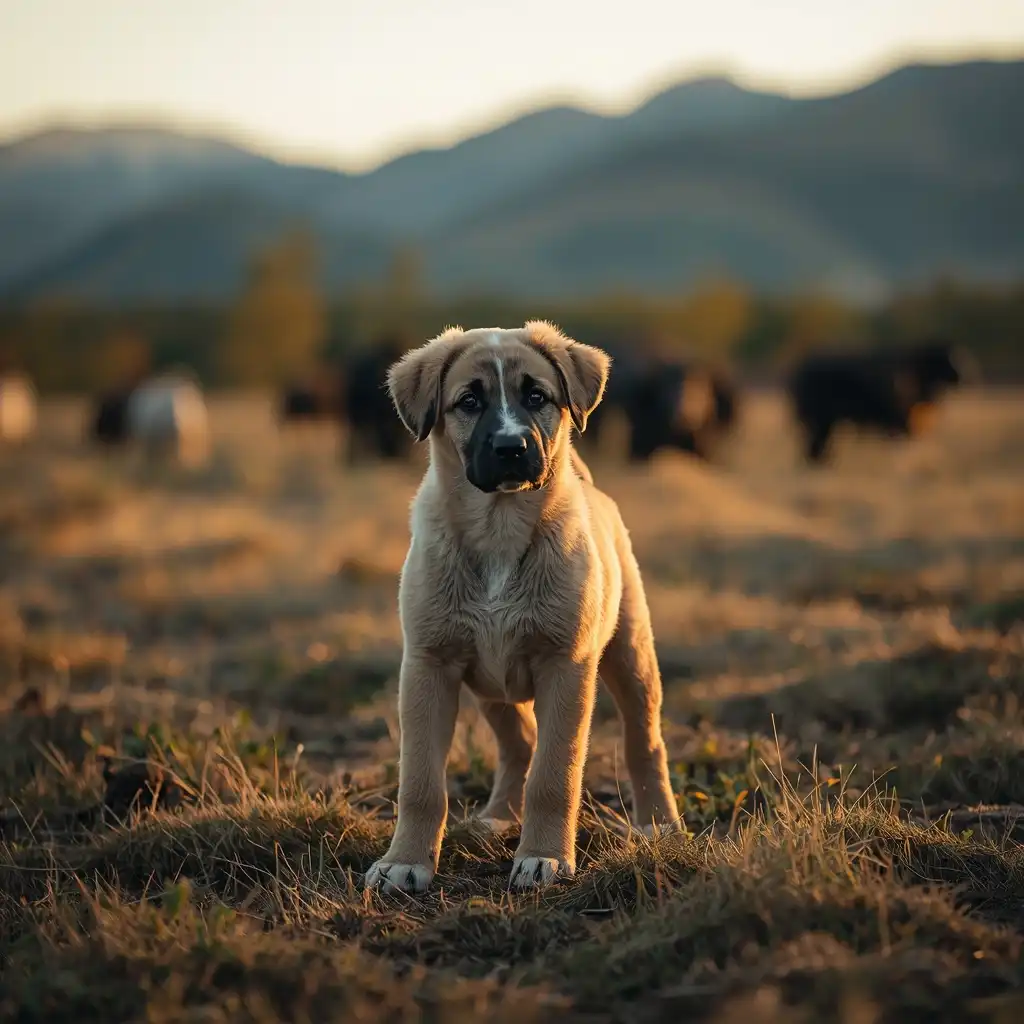
Your puppy seems manageable. They’re cute, they sleep a lot, and you think, “This isn’t so hard!”
What to Focus On:
- Socialization with YOUR family members, especially children
- Positive exposure to normal household sounds
- Basic handling (touching paws, ears, mouth for future grooming and vet visits)
- House training
- Crate training
- Gentle introduction to livestock if you have them
Common Mistake: Over-socializing with strangers. You want your Anatolian to be neutral toward strangers, not friendly. Too much forced socialization with random people can actually increase anxiety and suspicion later.
3-6 Months: The “Am I in Over My Head?” Phase
Your puppy now weighs 40-70 pounds and has opinions. Strong opinions. They start testing boundaries and their protective instincts begin emerging.
What to Focus On:
- Continued positive socialization (but controlled, not forced)
- Basic obedience with a trainer experienced in guardian breeds
- Leash training (they pull like a freight train if not taught early)
- Recall training (good luck—this breed has notoriously poor recall)
- Establishing boundaries and rules consistently
- Exercise appropriate for growing joints (no forced running, jumping, or stairs)
Common Mistake: Trying to train them like a Labrador or Border Collie. They don’t respond well to repetitive drill training. Keep sessions short, make them interesting, and reward heavily for compliance.
6-12 Months: The Teenager Phase
You now have a 90-120 pound adolescent who looks like an adult but acts like an impulsive teenager. This is the make-or-break period.
What to Focus On:
- Maintaining training consistency even when they test you
- Managing their increasing territorial behavior
- Socializing them in controlled environments
- Teaching them to differentiate normal activity from threats
- Exercise and mental stimulation (puzzle toys, training games, exploration walks)
Common Mistake: Giving up on training because they seem “untrainable.” They’re not. They’re just independent. You need patience and persistence.
12-24 Months: The Young Adult Phase
Your dog is physically mature but mentally still developing. Their protective instincts are in full force now.
What to Focus On:
- Continued boundary enforcement
- Advanced obedience if possible
- Proper management of their guardian instincts
- Maintaining socialization so they don’t become overly reactive
- Managing interactions with other dogs carefully
Training an Anatolian Shepherd Puppy
Traditional obedience training methods don’t work well with this breed. They’re not eager-to-please like Golden Retrievers or highly biddable like German Shepherds.
What Works
Relationship-Based Training
Build a strong bond first. They need to respect you and trust you before they’ll consistently follow your lead.
Short, Engaging Sessions
Keep training sessions to 5-10 minutes. They get bored with repetition quickly.
High-Value Rewards
Figure out what motivates YOUR dog. Some respond to food, others to toys, many to praise and physical affection.
Consistency Without Harshness
They need clear, consistent rules, but harsh corrections will shut them down or damage your relationship. Firm, fair, and consistent is the sweet spot.
Make It Their Idea
Frame commands as if they came up with the behavior. Anatolians love to think they’re in charge.
What Doesn’t Work
Punishment-Based Training
Physical corrections or harsh punishment will make them distrust you. These dogs have long memories.
Repetitive Drill Training
Endless repetitions of “sit, down, sit, down” bore them. They learned it the first time. Making them do it 50 times just frustrates everyone.
Expecting Instant Obedience
There will be a pause while they consider your request. Accept this.
Comparing Them to Other Breeds
Stop expecting Lab-level obedience or Border Collie focus. This isn’t that kind of dog.
Socialization: The Most Critical Factor
Socialization is crucial, but it’s different for guardian breeds than for companion breeds.
Goals of Socialization for Anatolians
You’re NOT trying to create a dog who loves everyone. You’re trying to create a dog who:
- Tolerates strangers without aggression when you indicate they’re safe
- Can handle normal urban/suburban stimuli without overreacting
- Differentiates between real threats and normal activity
- Trusts your judgment about people and situations
How to Socialize Properly
Expose to Environments, Not Just People
- Car rides
- Different walking surfaces
- Various weather conditions
- Normal neighborhood sounds (lawnmowers, trucks, children playing)
- Livestock if applicable
Controlled Introductions to People
- Have guests completely ignore the puppy initially
- Let the puppy approach on their own terms
- Reward calm, neutral behavior
- Don’t force interactions
Careful Dog Introductions
- Choose calm, well-socialized adult dogs
- Keep interactions brief and positive
- Watch for signs of discomfort or resource guarding
- Don’t push it if your puppy seems overwhelmed
Avoid
- Dog parks (too chaotic and unpredictable)
- Forcing interactions with people or dogs
- Overwhelming situations with too many stimuli
- Punishment for natural wariness
Exercise and Activity Needs
Here’s a surprise: Anatolian Shepherds don’t need hours of intense exercise. They’re marathon dogs, not sprinters.
Puppy Exercise Guidelines
Under 6 Months:
- 5 minutes of walking per month of age, twice daily (so a 4-month-old gets two 20-minute walks)
- Free play in a safe, enclosed area
- No forced running, jumping, or rough play on hard surfaces (protects growing joints)
6-12 Months:
- Gradually increase to 45-60 minutes daily split into multiple sessions
- Mental exercise is as important as physical (training, puzzle toys, sniffing walks)
Adult:
- 60-90 minutes daily, but it can be calm patrolling, not intense exercise
- They’re perfectly happy to walk the fence line for hours or lie on a high point watching their territory
Best Activities
- Long, leisurely walks where they can sniff and explore
- Hiking (once joints are mature around 18 months)
- Swimming (great low-impact exercise)
- Patrolling property if you have land
- Tending to livestock
- Mental enrichment toys and puzzles
Activities to Avoid
- Jogging on pavement before 18 months
- Agility or intense jumping sports (too hard on joints)
- Fetch (they usually don’t enjoy it and it’s too hard on growing joints)
- Off-leash dog parks
Health Considerations for Anatolian Shepherd Puppies
Like all giant breeds, Anatolians have specific health concerns to watch for.
Common Health Issues
Hip Dysplasia
Large, fast-growing breeds are prone to hip dysplasia. Manage with:
- Keeping puppies lean (not chubby)
- Avoiding excessive exercise on hard surfaces
- Supplementing with joint support (ask your vet)
- Getting hips evaluated at 24 months
Elbow Dysplasia
Similar to hip dysplasia but affects elbows. Causes limping and arthritis.
Bloat (GDV)
Deep-chested breeds are at risk for gastric dilatation-volvulus, a life-threatening condition where the stomach twists. Prevention:
- Feed multiple small meals instead of one large meal
- Avoid vigorous exercise right after eating
- Use slow-feeder bowls
- Consider preventive gastropexy surgery during spay/neuter
Hypothyroidism
Symptoms include weight gain, lethargy, and coat problems. Easily managed with medication if diagnosed.
Entropion
Eyelids roll inward, causing irritation. May require surgical correction.
Veterinary Care Schedule
| Age | Veterinary Care Needed |
|---|---|
| 8 weeks | First exam, first vaccines, deworming, fecal test |
| 12 weeks | Second round of vaccines, physical exam |
| 16 weeks | Final puppy vaccines, heartworm prevention discussion |
| 6 months | Check-up, discuss spay/neuter timing, flea/tick prevention |
| 12 months | Annual exam, bloodwork baseline |
| 18-24 months | Hip evaluation (OFA or PennHIP), consider gastropexy |
Special Note on Spay/Neuter Timing: For giant guardian breeds, many vets now recommend waiting until 18-24 months to allow proper growth plate closure and hormone development. Discuss with your vet.
Feeding Your Anatolian Shepherd Puppy
Nutrition is critical for proper development in giant breeds.
Puppy Food Requirements
Choose Large or Giant Breed Puppy Food
Regular puppy food has too much calcium and calories, causing puppies to grow too fast and increasing joint problems.
Feed Measured Amounts
Follow feeding guidelines on the bag but adjust based on body condition. You should be able to feel ribs easily but not see them prominently.
Avoid Overfeeding
Chubby puppies are not healthy puppies. Extra weight stresses developing joints.
Feeding Schedule
- 8-12 weeks: 3-4 meals per day
- 3-6 months: 3 meals per day
- 6-12 months: 2-3 meals per day
- 12+ months: 2 meals per day (always maintain twice-daily feeding to reduce bloat risk)
Typical Daily Amounts
These are estimates; adjust based on activity level and body condition:
- 8-12 weeks: 3-4 cups daily (split into meals)
- 3-6 months: 4-6 cups daily
- 6-12 months: 6-8 cups daily
- Adult: 6-10 cups daily depending on size and activity
Living Situations: Where Anatolians Thrive
Ideal Living Situations
Rural Property with Acreage
This is the gold standard. They can patrol, have space, and fulfill their guardian instincts properly.
Suburban Home with Large Fenced Yard
Minimum 6-foot privacy fence (they can clear 4-foot fences). They need to see their territory.
Farm or Ranch Setting
Perfect. Give them livestock to protect and they’ll thrive.
Challenging Living Situations
Apartments
Not recommended. They need space and will bark at noises in neighboring units.
Urban Townhomes
Difficult. Close neighbors, shared walls, and limited space frustrate their guardian instincts.
Homes Without Fencing
They will patrol and expand their territory if given the chance. Fencing is essential.
Homes Near Busy Dog Parks or High Foot Traffic
Constant stimulation can make them hypervigilant and reactive.
The Cost of Raising an Anatolian Shepherd Puppy
Let’s talk money because giant breeds are expensive.
Initial Costs
- Puppy purchase: $800-$2,500 from reputable breeders
- Initial vet visits and vaccines: $300-$500
- Supplies (crate, bowls, collar, leash, toys): $300-$600
- Spay/neuter (if not done by breeder): $300-$800
Ongoing Annual Costs
- Food: $1,200-$2,000 (high-quality large breed food isn’t cheap)
- Preventive medications (heartworm, flea/tick): $300-$600
- Routine vet care: $300-$500
- Training classes: $200-$500
- Grooming supplies: $100-$200
- Toys, treats, supplies: $200-$400
Total first year: $4,000-$7,000
Annual costs after: $2,500-$4,000
Unexpected Costs
- Emergency vet visits: $500-$5,000+ (giant breeds = giant bills)
- Hip/elbow surgery if dysplasia develops: $3,000-$7,000 per joint
- Bloat emergency surgery: $3,000-$8,000
- Professional training for behavioral issues: $1,000-$3,000
Real Stories from Anatolian Shepherd Owners
Sarah, Colorado rancher:
“Our Anatolian puppy, Zeus, seemed so sweet and cuddly at 10 weeks. By 6 months, he was barking at every car that passed our property. We almost gave up, thinking he was aggressive. Then we realized he was just doing his job—protecting his territory. Once we gave him clear boundaries about when barking was appropriate and when to stop, he became the perfect guardian. He’s saved us three lambs from coyotes in the past two years. Worth every frustrating training moment.”
Michael, suburban Ohio:
“I’ll be honest—we weren’t prepared. We got an Anatolian puppy thinking she’d be like our old Golden Retriever but bigger. Wrong. She was aloof with our friends’ kids, barked at neighbors, and didn’t want to play fetch. We hired a trainer experienced with guardian breeds at 5 months, and that saved us. She taught us to stop expecting our dog to be something she wasn’t. Now at 3 years old, Kara is exactly what we needed—a calm, devoted protector who keeps our family safe. But I wouldn’t recommend this breed to anyone not willing to learn a completely different way of understanding dogs.”
Jennifer, rural Virginia:
“Best decision ever. Our Anatolian, Bear, grew up with our goats and chickens. He’s never harmed them—in fact, he broke up a dog attack that got into our pen when he was just 10 months old. He’s not cuddly, he doesn’t play much, but he’s always watching. When my husband travels for work, I sleep soundly knowing Bear is on duty. He’s exactly what the breed is supposed to be.”
Is an Anatolian Shepherd Puppy Right for You?
Let’s do a reality check. You should consider an Anatolian Shepherd puppy if:
✅ You have significant experience with dogs, preferably large or guardian breeds
✅ You have a large, securely fenced yard or acreage
✅ You understand and accept their independent nature
✅ You’re willing to invest in proper training from day one
✅ You want a protector, not a companion who follows you everywhere
✅ You have the time for proper socialization during the critical puppy period
✅ You can afford the significant expenses of a giant breed
✅ You’re patient and won’t expect instant obedience
✅ You live in a situation where barking isn’t a major issue
You should NOT get an Anatolian Shepherd puppy if:
❌ This is your first dog or your first large breed
❌ You live in an apartment or small urban dwelling
❌ You want an enthusiastic, playful companion
❌ You expect a dog who’s friendly with everyone
❌ You need reliable off-leash recall
❌ You want a dog who’s eager to please and easy to train
❌ You’re bothered by barking
❌ You don’t have time for early and ongoing training
❌ You can’t afford emergency veterinary care for a giant breed
Frequently Asked Questions
Are Anatolian Shepherd puppies good with kids?
Anatolian Shepherds can be excellent with children IN THEIR OWN FAMILY, often being gentle, patient, and protective. However, they must be raised with children from puppyhood and carefully socialized. They can be uncertain about visiting children and may perceive rough play as a threat to “their” kids. Never leave any dog unsupervised with young children, but especially not powerful guardian breeds. They need supervision to learn appropriate behavior, and kids need supervision to respect the dog’s space. Families with very young children (under 5) should carefully consider whether they can manage both a giant puppy and small kids simultaneously.
How much do Anatolian Shepherd puppies bark?
Anatolian Shepherds are naturally vocal—barking is part of their guardian role. Puppies start developing their protective bark around 4-6 months, and it becomes more pronounced by 12 months. They bark to warn off perceived threats, alert you to activity, and patrol their territory. You cannot train this instinct away completely, though you can teach “quiet” commands and manage when barking is appropriate. If you live close to neighbors, in a noise-restricted area, or are bothered by barking, this breed is not for you. Expect regular barking, especially at night when they’re most alert.
Can Anatolian Shepherd puppies live with other pets?
It depends entirely on the individual dog and how they’re raised. Anatolians raised with cats, livestock, and small pets from puppyhood usually protect them rather than prey on them. However, they often don’t do well with unfamiliar dogs, especially same-sex dogs, and can be territorial. Multi-dog households should introduce an Anatolian puppy carefully and supervise constantly. They’re generally best as only dogs or paired with opposite-sex dogs of similar guardian breeds. Never trust them alone with small pets until you’re absolutely certain of their behavior, and even then, supervision is wise. Their livestock guardian instincts make them naturally good with farm animals if properly introduced.
How hard is it to train an Anatolian Shepherd puppy?
Training an Anatolian Shepherd is challenging but not impossible—it’s just completely different from training most breeds. They’re intelligent but independent, so they learn commands quickly but evaluate whether to follow them each time. They don’t have the eager-to-please temperament of Labs or the handler focus of German Shepherds. Success requires relationship-based training, consistency, patience, and understanding that you’re working with a thinking partner, not an obedient servant. First-time dog owners or those expecting traditional obedience will struggle. Experienced owners who respect the breed’s independence and work with it rather than against it can develop a well-trained, reliable dog. Professional training with someone experienced in guardian breeds is highly recommended.
At what age do Anatolian Shepherds calm down?
Anatolian Shepherds reach mental maturity around 3-4 years old, though some individuals take until age 5. During puppyhood and adolescence (up to 24 months), they can be energetic, impulsive, and challenging. However, they’re naturally less hyper than many breeds even as puppies—they’re more likely to be stubborn than wild. By age 3, most Anatolians settle into their adult temperament: calm, observant, and content to lie around the house between patrol sessions. They’re not couch potatoes in the same way as mastiffs, but they’re surprisingly low-energy indoors for such large dogs. Their energy is reserved for perceived threats or necessary patrols.
Do Anatolian Shepherd puppies need a lot of exercise?
Surprisingly, no. Anatolian Shepherds don’t need hours of intense exercise like some working breeds. Puppies need age-appropriate activity (roughly 5 minutes per month of age, twice daily) plus free play, but forced exercise can damage developing joints. Adult Anatolians need 60-90 minutes of daily activity, but this can be low-intensity patrolling, calm walks, or exploring rather than jogging or fetch. They’re built for stamina, not speed or intensity. Mental stimulation through training, puzzle toys, and new experiences is equally important. What they really need is space to roam and a sense of purpose, not marathon runs. Over-exercising puppies is actually harmful to their joint development.
What’s the biggest mistake new Anatolian Shepherd puppy owners make?
The biggest mistake is treating them like a typical companion breed and expecting Golden Retriever-like behavior in a bigger package. New owners often over-socialize them with strangers (creating anxiety), use harsh corrections (damaging the relationship), expect instant obedience (not how they work), or mistake natural wariness for aggression (trying to “fix” normal behavior). Another huge mistake is not researching the breed thoroughly before getting a puppy. Many people get Anatolians because they look impressive, not understanding the independent, protective temperament. This leads to frustrated owners and dogs who end up in rescues. Success requires accepting what this breed IS—an independent guardian—rather than trying to make them into something they’re not.
Pingback: Are Anatolian Shepherds Smart? The Truth About Their Intelligence Ranking - Anatolian Shepherd
Pingback: Anatolian Shepherd Bite Force: What Every Owner Should Know About This Protective Giant - Anatolian Shepherd
Pingback: Anatolian Shepherd vs. Kangal: 5 Key Differences You Need to Know in 2026 - Anatolian Shepherd