Anatolian Shepherd Joint Health Tips: The Complete Owner’s Guide to Keeping Them Moving Strong for Life
By J. Harlan Reed, Large Guardian Breed Content Writer at AnatolianShepherd.me · Updated 2026 · 18 min read
The Anatolian Joint Reality
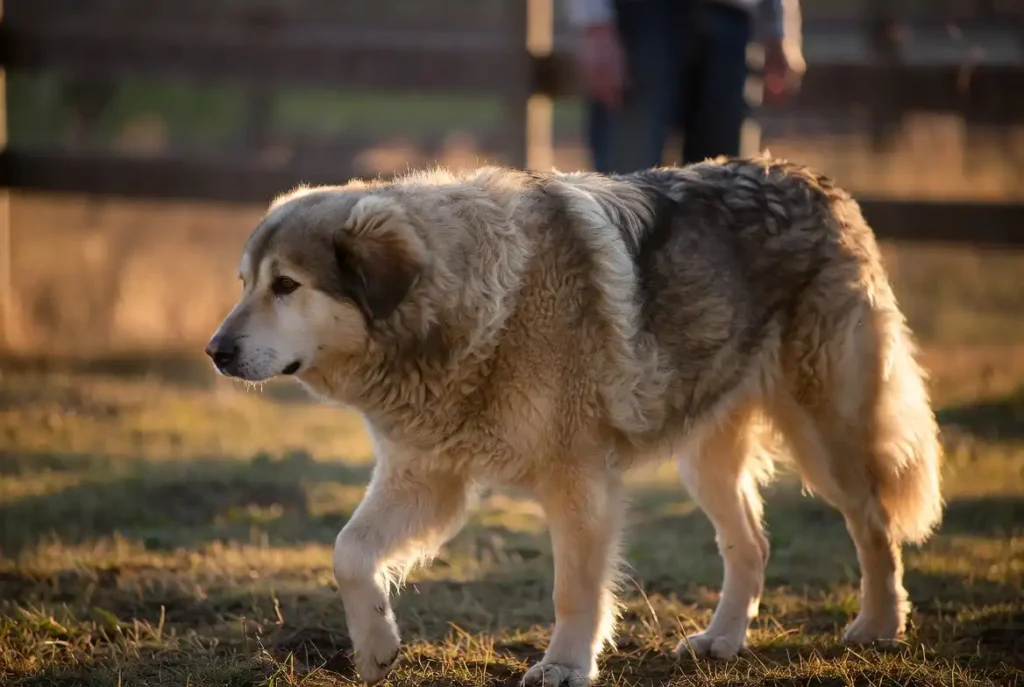
It’s a cold November morning and you’re watching your six-year-old Anatolian rise from the ground near the fence line. There’s a hesitation — half a second, maybe less — that wasn’t there last winter. He pushes off the front legs first, then the rear follows with a stiffness that smooths out after ten steps. By the time he reaches the far gate, he looks fine. He looks like himself. But you saw that half-second. And if you’re being honest with yourself, you’ve been seeing it for a while.
That moment is what this article is for. Because by the time an Anatolian shows you it’s in pain, the damage has been quietly building for months — possibly years. This breed does not ask for help. You have to go looking.
The paradox of the Anatolian Shepherd is physical. They look indestructible. A hundred and thirty pounds of muscle and bone, built for rough terrain and long patrol hours, designed to look imposing enough to deter a wolf. But underneath that working frame, the joints carry a burden that their appearance conceals: every step, every morning rise, every sprint toward a fence line is loading 100+ pounds onto hip sockets, elbow joints, and knees that age at the same rate as any other large breed’s.
As an Anatolian Shepherd owner, the hardest lesson I learned was that by the time my dog showed obvious signs of joint pain, the damage had been building quietly for months — possibly years. This breed does not ask for help. You have to go looking.
The Anatolian Skeleton — Understanding What You’re Protecting
The Anatolian body plan is distinctive: large, deep-chested, long-limbed, with a working gait designed for covering ground efficiently rather than sprinting in bursts. The AKC’s breed standard describes a dog built for endurance and strength — which also describes a skeleton that bears enormous mechanical load with every step it takes.
Consider the math. When a 120-pound dog walks on flat ground, each weight-bearing joint absorbs forces well above that 120 pounds due to the physics of movement. During a trot, the forces on hip joints multiply significantly. During a jump down from a truck bed or a fence-line sprint, those forces spike even higher. Now multiply that by ten years of daily patrol work. That’s the joint budget your Anatolian is spending.
The Vulnerable Joints
Hips are the primary concern. The ball-and-socket design of the hip is where dysplasia most commonly develops, and large breeds are genetically predisposed. Elbows are underreported in Anatolians but significant — the Anatolian Shepherd breed health and lifestyle guides community and the ASDCA both recommend elbow screening alongside hips. Stifles (knees) carry cruciate ligament risk, especially in active dogs that change direction on rough terrain. Spine — the working dog’s overlooked system — accumulates stress from years of uneven ground, jumping, and the repetitive impact of patrol movement.
Many Anatolian Shepherd owners don’t realize that the same terrain their dog covers effortlessly at age three is quietly accumulating wear that will show up at age seven. The breed’s work ethic does not communicate its physical cost.
4×
Every single pound of excess body weight adds approximately four pounds of additional force to your dog’s joint surfaces during movement. For an Anatolian carrying 10 extra pounds, that’s 40 additional pounds of impact on every step.
The Joint Conditions Anatolian Owners Must Know
| Condition | Joints Affected | Early Signs | Age of Onset | Management Options |
|---|---|---|---|---|
| Hip Dysplasia | Hip (ball & socket) | Bunny-hopping gait, reluctance to climb stairs, sitting with one hip dropped | Signs can appear 5–12 months; confirmed at 24+ months via X-ray | Weight management, controlled exercise, NSAIDs, Librela, surgery (TPO/FHO/THR) |
| Elbow Dysplasia | Elbow (3 sub-conditions: OCD, FCP, UAP) | Front leg lameness, stiffness after rest, reluctance to fully extend front legs | Often 4–18 months | Surgery if caught early, medical management, weight control |
| Osteoarthritis | Any joint — most commonly hips, elbows, stifles | Slow rise after rest, decreased activity, “warming up” into movement | Typically 5+ years; earlier with dysplasia | Multimodal: weight, exercise, supplements, NSAIDs/Librela, rehab therapy |
| CCL Tear | Stifle (knee) | Intermittent rear leg lameness that “comes and goes,” toe-touching gait | Any age; higher risk in active large breeds | TPLO surgery (gold standard for large breeds), strict rest, rehab |
| Panosteitis | Long bones (shifting leg lameness) | Sudden lameness shifting between legs, pain on bone palpation | 5–18 months | Self-resolving; pain management during episodes, activity restriction |
| Degenerative Myelopathy | Spinal cord (not a joint, but mimics rear-end weakness) | Rear leg dragging, knuckling over, progressive rear weakness | Typically 7+ years | No cure; physical therapy to slow progression; genetic test available |
Hip dysplasia is a malformation of the hip socket where the ball of the femur doesn’t sit snugly in the socket. Instead of gliding smoothly, the joint grinds, creating inflammation and eventually arthritis. The Orthopedic Foundation for Animals (OFA) maintains the world’s largest hip screening database, and both the ASDCA and AKC recommend OFA or PennHIP evaluation for all breeding Anatolians. Large breeds are predisposed because their rapid growth rate can outpace the development of the hip socket itself — the bones grow faster than the supporting structures can keep up.
Elbow dysplasia is an umbrella term covering three conditions: OCD (a cartilage flap), FCP (a fractured piece of cartilage), and UAP (an unfused bone process). In young Anatolians, it shows up as front leg lameness that’s worst after rest. Catching elbow dysplasia before age 2 dramatically changes outcomes — surgical intervention works far better on a developing joint than on one that’s already compensating.
Osteoarthritis (OA) is not so much a disease as a process. Cartilage wears down over time from dysplasia, old injuries, or simply years of use. The inflammation cycle that follows — damage creates inflammation, inflammation accelerates damage — is why slowing OA matters more than trying to stop it. Managed OA in a working Anatolian means a dog that patrols at a comfortable pace until age 10. Unmanaged OA means a dog that stops moving by 8.
CCL tears — the canine equivalent of an ACL injury — deserve special attention. The partial tear that owners miss is the one that comes and goes: a dog that limps after running but seems fine after resting. This intermittent lameness often precedes a full rupture. TPLO surgery (tibial plateau leveling osteotomy — a procedure that changes the angle of the knee joint to stabilize it without the ligament) is the gold standard for large breeds.
Panosteitis — growing pains — affects young Anatolians between 5 and 18 months. Sudden lameness that shifts from leg to leg, sometimes dramatically. It looks terrifying. It’s usually self-resolving. But it should still be evaluated to rule out something more serious.
Degenerative myelopathy (DM) matters here because it mimics rear-end joint weakness. Owners pursue joint treatments for what is actually a progressive spinal cord disease. A genetic test exists — responsible breeders screen for it.
The Prevention Window — What You Do Before Age 2 Determines Everything After
The first 18 months of an Anatolian’s life are the most consequential period for lifetime joint health. Growth plates — the soft areas at the ends of developing bones — haven’t fully closed yet. In large breeds, some plates don’t close until 14–18 months. Every impact, every forced repetitive motion, every excessive calorie during this window is writing the story of your dog’s joints at age eight.
Exercise Restrictions During Growth
Before 12 months, avoid: forced long-distance running alongside a bike or jogger, repetitive fetch on hard surfaces, jumping down from truck beds or elevated surfaces, and extended leash runs on concrete. What’s appropriate: free movement on varied terrain (grass, dirt, gentle hills), controlled leash walks of appropriate duration, and swimming — which builds muscle without joint impact.
The “five minutes per month of age” guideline for structured exercise (a 4-month-old gets 20 minutes of leash walking) applies differently to LGD breeds. An Anatolian puppy on a working property will self-regulate its own movement throughout the day — and that self-regulated movement on varied natural terrain is actually healthier for joint development than forced, repetitive exercise. The problem comes when owners add structured high-impact exercise on top of the puppy’s natural activity level. For more guidance on raising Anatolians through this critical period, see our Anatolian Shepherd breed health and lifestyle guides.
Nutrition During Growth
Large breed puppy food exists for a reason. The controlled calcium-to-phosphorus ratio (typically 1.2:1 to 1.5:1) directly affects how quickly bone develops relative to supporting structures. Too much calcium during rapid growth can accelerate skeletal development beyond what cartilage and soft tissue can keep pace with — the foundation of developmental orthopedic disease.
The most controllable joint health factor from puppyhood forward is body weight. Overfeeding a large breed puppy doesn’t make a bigger, stronger dog — it makes a dog whose skeleton carries weight before it’s ready. Keep your growing Anatolian lean. You should be able to feel ribs easily under a thin layer of muscle. If you can’t, your puppy is carrying weight that its developing joints are paying for.
Nutrition for Joint Health — What Actually Works
💡 Why Starting Fish Oil at Age 2 — Before Any Symptoms — Is the Single Best Joint Investment for Your Anatolian
EPA and DHA — the omega-3 fatty acids found in fish oil — are the most evidence-backed nutritional intervention for joint inflammation. They don’t rebuild cartilage. They manage the inflammatory process that destroys cartilage. Starting at age 2, before any symptoms appear, means you’re intervening in the inflammation cycle before it gains momentum. By the time stiffness appears, the inflammatory process may have been active for years. Fish oil is the intervention that works best when you start it before you think you need it.
The Anti-Inflammatory Diet Approach
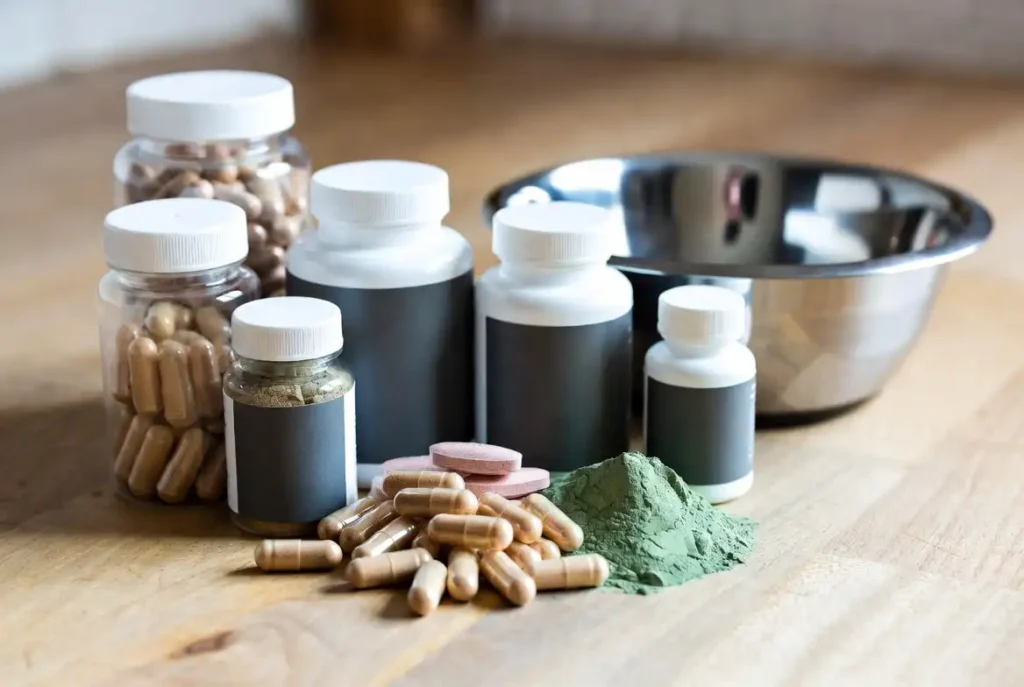
Omega-3 fatty acids — specifically EPA and DHA from marine sources — have the strongest evidence for joint health of any nutritional supplement. Not ALA, the plant-based form found in flaxseed, which dogs convert very inefficiently. Fish oil is the standard: for a large breed like an Anatolian, a dose of approximately 1,000–2,000mg combined EPA and DHA daily is a reasonable starting range. Discuss exact dosing with your vet. Sardines packed in water are a cost-effective whole food source — two to three sardines a few times per week provide meaningful omega-3 content alongside naturally occurring nutrients that capsules don’t provide.
Most kibble omega-3 claims don’t survive the extrusion process — the heat oxidizes delicate fatty acids before the food reaches the bowl. If omega-3 matters to you (and for joint health, it should), supplement separately.
| Supplement | What It Does | Evidence | Large Breed Dose | Notes |
|---|---|---|---|---|
| Fish Oil (EPA/DHA) | Reduces joint inflammation | Strong | 1,000–2,000mg EPA+DHA daily | Most evidence-backed joint supplement available; use marine source, not plant ALA |
| Glucosamine HCl | Supports cartilage repair | Moderate | 1,000–1,500mg daily | Widely used; evidence is mixed — some studies show benefit, others show minimal effect. Best combined with chondroitin. |
| Chondroitin Sulfate | Inhibits cartilage-destroying enzymes | Moderate | 800–1,200mg daily | Usually combined with glucosamine; may reduce OA progression |
| Green-Lipped Mussel | Provides omega-3s + glycosaminoglycans in whole-food form | Strong | Per product label (typically 500–1,000mg) | Underrated. Multiple studies show genuine benefit; combines omega-3 and joint-building compounds naturally. |
| Turmeric/Curcumin | Anti-inflammatory | Emerging | Varies; bioavailability is the challenge | Promising but poorly absorbed alone. Requires fat and piperine (black pepper extract) for meaningful absorption. |
| Collagen Hydrolysate | Supports cartilage structure | Emerging | 5–10g daily for large breeds | Early research is encouraging for cartilage support. Not yet as well-established as fish oil. |
Reference: supplement evidence is informed by guidelines from organizations including WSAVA’s global nutrition committee and peer-reviewed veterinary research.
Exercise for Joint Health — The Right Kind, the Wrong Kind, and the Difference
Exercise That Protects Joints
Swimming and hydrotherapy are the gold standard for arthritic large breeds — resistance without impact. The water supports the dog’s weight while muscles work against resistance, building the strength that takes load off joints. Leash walking on varied terrain maintains range of motion without high-impact loading. The Anatolian’s natural patrol pace — that slow, deliberate walk-trot they do when covering ground — is actually the ideal joint exercise. It’s low-impact, self-regulated, and builds endurance without explosive forces.
Exercise That Damages Joints
Repetitive fetch is specifically problematic — the explosive acceleration, sudden stops, and hard turns load joints with forces far beyond what steady movement produces. Running on hard surfaces (concrete, asphalt) generates significantly more joint impact than packed earth or grass. Jumping down from height — truck beds, porches, raised surfaces — sends shock through the hip and stifle joints. A ramp for vehicle access is not a luxury; it’s a joint health tool.
For dogs actively guarding property: as your Anatolian ages, consider terrain modification. Reduce unnecessary hard-surface patrol routes. Provide low-entry shelter points so the dog doesn’t need to jump or climb to rest. The working dog retirement question — when joint health requires reducing patrol demands — is one of the harder conversations. An Anatolian’s identity is tied to its work. Transitioning to a smaller patrol zone with reduced physical demands, rather than full retirement, often preserves both joint health and mental well-being.
“By the time an Anatolian shows you it is in pain, it has already been managing that pain on its own for longer than you know.”
Reading Your Anatolian — The Pain Signs This Breed Hides
⚠️ The Stoicism Trap — Why Anatolians Are the Breed Most Likely to Mask Joint Pain Until It Is Significant
Anatolians were bred to work alone in harsh environments where showing vulnerability could attract predators. That stoicism is hardwired. They don’t whimper. They don’t limp until they have to. They compensate by shifting weight, shortening stride, and reducing activity — changes so gradual that owners often don’t recognize them until the compensation is no longer possible. By then, the underlying condition may be advanced. This breed requires proactive monitoring, not reactive observation.
🔎 Early Warning Signs Your Anatolian May Be in Pain
Early (often missed for months):
• Hesitation before rising from a lying position — even half a second
• A “slow start” that warms up after 10 minutes of movement
• Subtle weight shifting when standing still
• Changes in patrol pattern — covering less ground, resting in different spots
Moderate (owner usually notices here):
• Reluctance to go up or down stairs previously taken easily
• Licking or chewing at a specific joint
• Irritability when touched in areas previously fine
• Difficulty getting into or out of a vehicle
Advanced (significant intervention needed):
• Visible limping, especially after rest
• Muscle wasting on one or both hind legs
• Bunny-hopping or refusal to use stairs at all
• Behavioral changes: increased reactivity, reduced engagement, withdrawal from guardian duties
The warm-up phenomenon is the one that fools owners most. Joint pain in dogs is often worst after rest and improves with gentle movement — because movement warms the joint fluid and reduces stiffness temporarily. So the dog looks stiff when it stands up, then seems fine after walking around. The owner concludes: “She’s okay — she just needed to loosen up.” But that temporary improvement doesn’t mean the joint is healthy. It means the dog’s body is masking the problem the only way it can.
In my experience working with large guardian breeds, the Anatolian that suddenly seems grumpier, less engaged, or quicker to react to handling is often the Anatolian that has been in pain for longer than anyone realized. Chronic pain changes behavior before it changes gait. For more on recognizing behavioral shifts, visit our trusted Anatolian Shepherd care advice.
Veterinary Care and Diagnostics — What to Ask and When
What I tell every Anatolian owner who asks about joint health is: document before you visit. Write down when you first noticed the sign, which leg seems affected, whether it’s worse after rest or after exercise, and any behavioral changes you’ve observed. This information is worth more to your vet than a vague “he seems stiff sometimes.”
OFA screening at 24 months is the standard for hip and elbow certification. The process: your vet sedates the dog lightly, positions them for specific radiograph views, and submits the X-rays to OFA for evaluation by three independent radiologists. For breeding decisions, this is essential. For pet owners, it establishes a baseline that future comparisons can be measured against. PennHIP uses a distraction method to measure hip laxity and can be done as early as 16 weeks — it’s a different measurement that predicts OA risk rather than grading current anatomy.
Pain Management in 2026
NSAIDs (non-steroidal anti-inflammatory drugs like meloxicam or carprofen) remain a first-line treatment. They reduce both pain and inflammation effectively. The trade-off: long-term use requires periodic kidney and liver blood work, because these drugs are processed by organs that need monitoring over a lifespan of 11–13 years.
Librela (bedinvetmab) is the newest option — a monoclonal antibody approved by the FDA in 2023 that targets nerve growth factor (NGF), a protein elevated in arthritic joints that amplifies pain signals. It’s a monthly injection administered by your vet. Over 30 million doses have been given globally. In clinical studies, it demonstrated effectiveness comparable to traditional NSAIDs. The label was updated in early 2025 following post-approval adverse event reports including rare neurological signs, urinary incontinence, and in uncommon cases, more serious outcomes. For giant breed dogs, it should not be used in dogs under 18 months. Have an honest conversation with your vet about Librela’s benefits and risks for your specific dog. For additional complete Anatolian Shepherd ownership resources, explore our guide library.
Gabapentin can be added for nerve-related pain that NSAIDs alone don’t address — it works on a different pain pathway and is often combined with other treatments.
When to pursue a specialist: if your vet suspects a surgical condition (CCL tear, advanced dysplasia), if conservative management isn’t controlling pain, or if you want a rehabilitation plan, seek a board-certified veterinary orthopedic surgeon or a certified veterinary rehabilitation practitioner.
Rehabilitation and Supportive Care at Home
Canine rehabilitation therapy — physical therapy for dogs — involves targeted exercises, hydrotherapy, laser therapy, and manual techniques to improve joint function, reduce pain, and build supporting muscle. For arthritic large breeds, the outcomes can be transformative: increased range of motion, reduced dependence on pain medication, and measurably better quality of life.
Swimming at home: if you have access to a pond, lake, or pool with gentle entry, structured swimming sessions of 10–20 minutes provide excellent low-impact conditioning. A water treadmill at a rehabilitation facility is ideal but not always accessible. What matters is that the dog is moving through water regularly.
Massage: for large breed hindquarters, gentle effleurage (long, smooth strokes) along the major muscle groups of the thighs and hips increases circulation and can reduce muscle tension around painful joints. Avoid deep pressure directly on joints or areas where the dog shows pain response.
Heat vs. cold: heat (warm compresses, heating pads on low with towel barrier) helps chronic arthritic joints — best applied before activity to warm the joint. Cold (ice packs with towel barrier, 15 minutes maximum) is for acute inflammation — after a hard day, after an injury. Heat for the chronic morning stiffness. Cold for the day they overdid it.
Environmental modifications: orthopedic bedding with supportive foam (not just padding — genuine memory foam that distributes weight) makes a measurable difference for a 120-pound dog lying on hard surfaces. Ramps for vehicle access should be introduced before the dog needs them — a healthy dog that learns to use a ramp will use it when they need it. Non-slip rugs on tile and wood floors prevent the splay-legged landing that strains hip joints. For working properties: reduce unnecessary stair climbing, consider graded access to elevated resting points, and ensure shelter entry doesn’t require jumping or climbing.
The Joint Health Timeline — What to Do at Every Life Stage
| Life Stage | Age | Priority Focus | Key Actions | Warning Signs |
|---|---|---|---|---|
| Puppy | 8 wks–18 mo | Growth plate protection | Large breed puppy food, no forced running, traction surfaces, keep lean | Bunny-hopping, limping, reluctance to play |
| Young Adult | 18 mo–4 yrs | Baseline assessment | OFA screening at 24 months, start fish oil supplementation at age 2, maintain ideal weight | Front leg stiffness (elbow), asymmetric muscle development |
| Prime Working | 4–7 yrs | Proactive joint maintenance | Glucosamine/chondroitin addition, annual orthopedic check, workload monitoring, weight checks | Morning stiffness, shorter patrol routes, reluctance with stairs |
| Senior | 7+ yrs | Pain management and quality of life | Pain management strategy (NSAIDs/Librela), environmental modifications, orthopedic bedding, reduced workload, quality of life assessment | Visible limping, muscle wasting, behavioral changes, reduced engagement |
Owner Case Notes
Case Note 1: The Sign That Was Missed for Three Months
Carl ran a 40-acre cattle operation with a 5-year-old male Anatolian named Boone. Boone covered the property twice a day — a morning loop and an evening sweep. At five, he looked strong. Then Carl’s wife noticed something: Boone was spending more time resting near the barn in the afternoons. His evening route was shorter. He’d stopped going past the far fence line. These changes happened over about three months. Carl assumed Boone was maturing — settling into a routine.
At a routine vet visit, the vet palpated Boone’s hips and noticed crepitus — a grating sensation in the joint. X-rays confirmed bilateral hip dysplasia with early osteoarthritis, rated moderate. The vet’s assessment: the changes Carl’s wife noticed were pain management in action. Boone had been self-modifying his patrol to protect his hips.
What changed: a weight reduction program (Boone was 138 pounds; the vet wanted him at 125). Fish oil supplementation at therapeutic doses. Terrain modification — a gravel path was graded smoother, and a low-entry shelter was added to the east pasture. Monthly NSAID management with regular blood work monitoring. At age eight, Boone was still working — slower, on a modified route, but covering ground. The vet confirmed: the early intervention preserved function that would have been lost without it.
Case Note 2: Prevention That Showed Up on Imaging
Laura started her Anatolian, Mesa, on fish oil and glucosamine/chondroitin at age 2 — before any symptoms existed. The breed club’s health committee had recommended proactive supplementation, and her vet supported it. Mesa worked a 10-acre hobby farm, moderate activity, well-managed weight.
At age 7, routine screening X-rays showed mild bilateral hip changes — expected for a large breed at that age. Mesa’s vet compared the imaging to a littermate of Mesa’s whose owner had not supplemented. The littermate showed significantly more advanced joint changes and was already on NSAIDs for pain management. Same genetics. Same general environment. Different intervention timeline.
The vet’s observation — what the vet confirmed for me after years of suspicion — was that prevention doesn’t look dramatic. It looks like a seven-year-old dog whose joints look closer to five than to nine. It shows up on imaging. It shows up in how the dog moves. It shows up in the years you get that you almost didn’t.
✅ What Proactive Owners Do
Start fish oil supplementation at age 2 — before symptoms
Keep the dog at ideal body condition throughout life
Restrict high-impact exercise before growth plates close
Get baseline OFA X-rays at 24 months
Learn the early pain signs specific to this breed
Provide orthopedic bedding and vehicle ramps
Schedule annual orthopedic assessments from age 4 onward
❌ What Accelerates Joint Damage
Allowing excess weight at any life stage
Forced running on hard surfaces — especially under 18 months
Ignoring the “slow start” morning stiffness as normal aging
Waiting for obvious limping before seeking veterinary assessment
Jumping down from truck beds, porches, or elevated surfaces repeatedly
Feeding standard (non-large-breed) puppy food during growth
Equating size with health — a bigger Anatolian is not a healthier one
“The cases that stay with me are the ones where an owner noticed something small and acted on it — and the ones where they didn’t. The difference between those two outcomes is measured in years of comfortable movement.”
Frequently Asked Questions
At what age should I start my Anatolian on joint supplements and which ones actually matter?
Start fish oil (EPA/DHA from marine sources) at age 2 — before any symptoms appear. This is the most evidence-backed nutritional joint intervention available. Add glucosamine/chondroitin at age 4–5, or earlier if OFA screening shows any hip or elbow changes. Green-lipped mussel is a strong whole-food alternative that combines omega-3s with joint-building compounds. Turmeric is promising but has absorption challenges — it’s a reasonable addition, not a primary strategy.
How do I tell the difference between normal large-breed stiffness and genuine joint pain?
Normal stiffness after heavy activity resolves quickly (seconds) and doesn’t recur consistently. Joint pain shows a pattern: stiffness every morning, hesitation before rising, “warming up” into movement that takes 5–10 minutes. If you see a consistent pattern of stiffness after rest — especially one that gradually worsens over weeks — that’s not normal aging. That’s a joint telling you something. Get it evaluated.
My Anatolian is a working dog — can I keep them working with hip dysplasia or early arthritis?
Often, yes — with modifications. OFA data shows that up to 76% of severely dysplastic dogs can function with quality lives under conservative management. Weight control is the priority. Modify patrol routes to reduce hard-surface and steep-terrain demands. Supplement aggressively. Work with your vet on pain management. Many working Anatolians with managed hip dysplasia continue productive work into their later years — the key is early detection and consistent intervention.
Is swimming realistic for an Anatolian as joint therapy?
It depends on access and temperament. Not all Anatolians take to water naturally, but many can be introduced gradually. If you have a pond or lake with gentle entry, supervised swimming sessions of 10–20 minutes are excellent. A veterinary rehabilitation facility with an underwater treadmill is ideal for dogs that don’t swim voluntarily. Even shallow wading builds muscle and reduces joint load. Is it realistic? For owners with water access, absolutely. It doesn’t need to be a pool — a clean pond works.
My vet wants to do OFA X-rays — what does that involve and do I really need them?
OFA X-rays require light sedation, specific positioning, and submission to OFA where three independent radiologists evaluate the images. For breeding dogs: mandatory. Both the ASDCA and AKC recommend hip and elbow evaluation for breeding Anatolians. For pet owners: highly recommended at 24 months as a baseline. If your dog’s joints look good at 2, you have a reference point. If they show early changes, you can intervene before damage becomes clinical. The cost is modest compared to what advanced joint treatment costs later.
What weight should a healthy Anatolian be and how do I know if mine is carrying too much?
Males typically range 110–150 pounds; females 80–120 pounds. But breed weight ranges are less useful than body condition scoring. You should be able to feel your dog’s ribs with light pressure through a thin layer of muscle (not fat). Viewed from above, there should be a visible waist behind the ribs. From the side, the belly should tuck up — not hang level with or below the chest. An Anatolian that looks “filled out” is often an Anatolian carrying 10–15 pounds that their joints don’t need.
Are there any new joint treatments in 2025–2026 worth asking my vet about?
Librela (bedinvetmab) is the most significant recent addition — a monthly injectable monoclonal antibody targeting nerve growth factor that controls OA pain. Over 30 million doses have been administered globally. It’s shown effectiveness comparable to traditional NSAIDs with a different mechanism and side effect profile. Ask your vet whether it’s appropriate for your specific dog, particularly if your Anatolian has struggled with NSAID side effects. PRP (platelet-rich plasma) injections and stem cell therapy are also available at specialty practices — emerging options with growing but still limited evidence for long-term benefit.
The Small Decisions That Add Up
If you just looked at your dog differently while reading this — really watched the way they stand up, the route they take across the yard, the pace they’ve settled into — then this article did what it was supposed to do.
Joint health for this breed is not a dramatic intervention. It’s a series of small, consistent decisions made over years before problems appear. The fish oil you start at two. The weight you keep off at four. The ramp you introduce at five. The X-ray you schedule at two that gives you a baseline for seven. None of these feel urgent when you do them. All of them pay dividends when it matters.
What you do in years two through five is what your dog’s year ten looks like. An Anatolian that can still walk their territory at age ten — maybe slower, maybe on a modified route, but still out there, still watching, still doing the work their bones remember — is the product of an owner who paid attention early.
For more on protecting the breed you’ve chosen, explore more Anatolian Shepherd health and care guides here on AnatolianShepherd.me.
After watching multiple Anatolians move through their working years, the pattern I see most is this: the dogs that age best are not the ones that got lucky. They’re the ones whose owners watched the small things — the half-second hesitation, the slightly shorter route, the morning where rising took one beat longer than it should have — and did something about it before the dog ever had to ask.
Written by: J. Harlan Reed, Large Guardian Breed Content Writer at AnatolianShepherd.me
Experienced Anatolian Shepherd owner with hands-on knowledge of guardian dog health, joint care, and breed-specific management strategies. Content reviewed using trusted veterinary references and real owner experience for accuracy and reliability.
Disclaimer: This article is for educational purposes only and does not replace professional veterinary advice. Joint conditions vary significantly between individual dogs. Always consult a licensed veterinarian or board-certified veterinary orthopedic specialist before beginning any supplement protocol or treatment plan for your dog.
Pingback: Are Anatolian Shepherds Aggressive? The Honest Answer