Do Anatolian Shepherds Bond With One Person? The Truth Behind the Myth
It usually starts with a quiet worry that creeps in during the first few weeks: “My Anatolian follows me everywhere but completely ignores my husband.” Or the opposite — “She only listens to my wife. I’m basically invisible.”
Then the fear sharpens. Will this 120-pound guardian dog only respect one person in the household? What happens if the “chosen one” leaves for a weekend? Will the dog refuse to cooperate with anyone else? Will the kids ever have a real bond with this dog, or will they always be outsiders in their own home?
If this sounds familiar, take a breath. You’re not alone, and the situation isn’t as rigid as it feels right now.
As an Anatolian Shepherd owner, I’ve seen this question cause more unnecessary stress than almost any other aspect of the breed. The short answer is: yes, Anatolian Shepherds often form a primary bond — but no, that doesn’t mean they can’t have meaningful relationships with everyone in the family. The full picture is more nuanced, more interesting, and far more workable than the one-person myth suggests.
Let’s unpack what’s really going on.
Do Anatolians Naturally Form a Primary Bond?
Yes — and it’s not a flaw. It’s by design.
Anatolian Shepherds were developed over thousands of years to work alongside a single shepherd or a small family unit in the remote highlands of Turkey. They didn’t live in households with rotating visitors and playdate schedules. Their world was small and clearly defined: the shepherd, the flock, the territory. Everyone and everything else was either neutral or a potential threat.
That heritage shapes how modern Anatolians bond. They tend to identify one person as the primary leader — the one whose commands carry the most weight, whose presence is most calming, and whose departure is most noticed. According to the American Kennel Club’s breed profile, Anatolian Shepherds are described as loyal, independent, and reserved — traits that naturally lead to concentrated bonding patterns.
But here’s the crucial distinction most people miss.
“Loyal to One Person” vs. “Guardian of Everything”
Many new Anatolian owners assume that because the dog listens best to one person, it only cares about one person. That’s not what’s happening.
An Anatolian Shepherd’s world operates on two separate systems running simultaneously:
1. The leadership bond — This is the one person the dog looks to for direction, decision-making, and structure. It’s the human the dog respects most as a leader. This person usually feeds, trains, and spends the most consistent time with the dog.
2. The guardian scope — This is everything the dog considers “theirs” to protect. And this scope is wide. It includes the entire family, the property, the livestock, and often even the neighbor’s cat that wanders into the yard. The Anatolian doesn’t need to take orders from your children to protect them with its life.
In my experience working with guardian breeds, this dual system confuses people because it looks different from how a Labrador or Golden Retriever bonds. Those breeds distribute affection freely and follow commands from almost anyone with a treat. Anatolians distribute protection freely but reserve their deepest operational trust for whoever has earned it.
Your Anatolian might ignore your teenager’s recall command while simultaneously placing itself between that same teenager and a stranger at the front door. That’s not inconsistency — it’s the breed working exactly as intended.
🐾 Pro Tip: Think of an Anatolian’s bonding as a layered system. The primary bond is about who leads. The guardian bond is about what matters. Your dog can absolutely protect and love your entire family — even if it only looks to one person for marching orders.
How Anatolian Bonding Differs From Typical Family Breeds
If your only reference point for dog bonding is a retriever, a spaniel, or a herding breed, an Anatolian Shepherd’s behavior will feel cold at first. It’s not. It’s just profoundly different.
Family breeds were selected to be people-pleasers. They’re wired to seek approval, perform tasks for rewards, and distribute affection to anyone who offers a kind voice. Their bonding style is wide and shallow — a hundred people can be their “favorite.”
Anatolian Shepherds were selected to be decision-makers. They don’t seek approval — they assess situations independently and act. Their bonding style is narrow and deep. They give their full operational trust to very few, and their protective commitment to a defined circle.
Neither approach is better. They’re just different tools shaped by thousands of years of different jobs.
| Trait | Anatolian Shepherd | Typical Family Breed |
|---|---|---|
| Attachment Style | Deep bond with primary handler; protective of all family | Broadly affectionate with most people |
| Stranger Reaction | Reserved, watchful, assesses before engaging | Friendly, approaches readily, tail wagging |
| Obedience Focus | Listens best to respected leader; questions commands | Eager to please most handlers for praise/treats |
| Affection Display | Quiet presence, proximity, calm physical contact | Licking, jumping, tail wagging, constant seeking |
| Separation Response | Calmly watches; increases patrol if primary handler leaves | Whining, anxiety, distress behaviors |
| Multi-Person Bonding | Hierarchical — respects family, follows one leader | Democratic — bonds equally with most household members |
Behavior Toward Different People
With the Primary Handler
The person who feeds, trains, and provides the most consistent structure will usually become the “anchor.” The dog follows this person more closely, checks in with them more often, and responds to their commands more reliably. You’ll notice your Anatolian positioning itself where it can see this person at all times — not out of anxiety, but out of operational awareness.
With Other Family Members
Other adults in the home usually occupy a “trusted inner circle” status. The dog respects them, accepts their presence, and will absolutely protect them — but may not follow their commands with the same speed or consistency. This is normal. It doesn’t mean the dog doesn’t love them.
Case Example #1: A family in rural Montana had a male Anatolian who clearly bonded most strongly to the wife — she handled all feeding and early training. The husband initially felt shut out. But when he started taking over evening walks and doing short training sessions before dinner, the dog began responding to him within a few weeks. The bond was never identical to the wife’s, but the dog became reliably obedient and visibly bonded to both. The key was giving the husband a consistent role that the dog could respect.
With Children
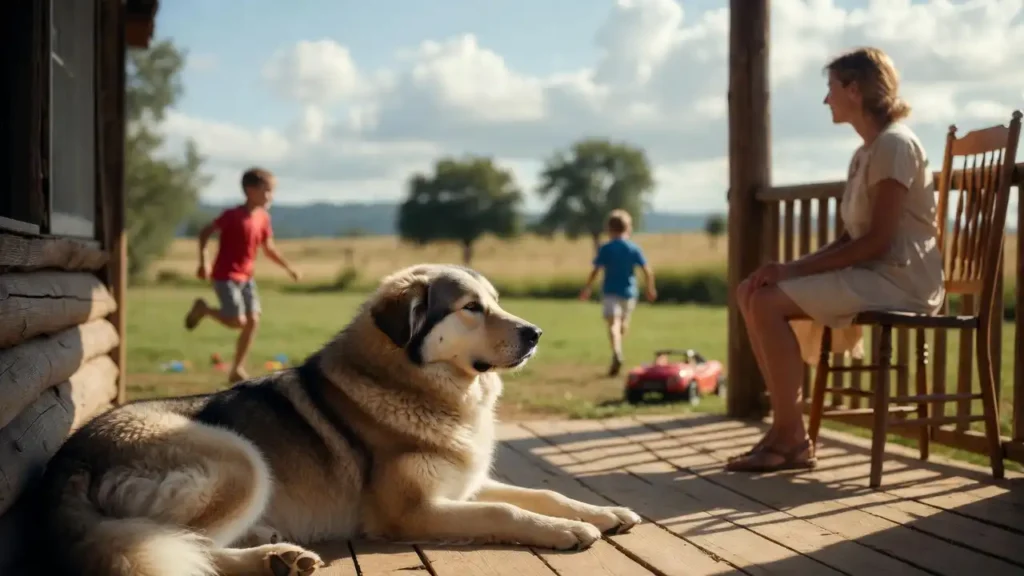
Anatolians often treat children as part of their flock — not as leaders, but as charges to be protected. This means a child probably won’t be able to command the dog effectively, but the dog may be extraordinarily gentle and protective around them. Many Anatolian owners describe their dog lying near the children, following them in the yard, or positioning itself between the kids and unfamiliar visitors.
However, supervision is always necessary. The American Veterinary Medical Association emphasizes that responsible supervision between dogs and children is essential regardless of breed or temperament. With a dog this large, that guidance matters even more.
With Strangers
This is where the Anatolian’s bonding selectivity is most visible. Strangers are met with calm, watchful distance — not aggression, but not friendliness either. An Anatolian typically sizes up a new person, checks how the primary handler reacts to them, and then decides how much access to grant.
Don’t expect your Anatolian to greet the pizza delivery driver with a wagging tail. That’s not what this breed does. For detailed guidance on managing an Anatolian’s guardian instincts around visitors, you’ll find practical advice in these Anatolian Shepherd care guides.
Does Early Training Affect Bonding?
Absolutely. This is one of the most impactful variables you actually control.
The first 4 to 16 weeks of an Anatolian puppy’s life represent a critical socialization window. Puppies exposed to multiple family members who handle, feed, and train them during this period develop more balanced bonding patterns. If only one person interacts with the puppy during these weeks, you’re almost guaranteeing a single-person bond.
This doesn’t mean passing the puppy around like a football. It means having multiple family members participate in structured activities: feeding, leash walks, basic training sessions, and calm handling. Each person builds their own “account” with the dog during this window.
After the socialization window closes, bonding can still expand — it just takes more deliberate effort. Adult Anatolians can absolutely build new bonds, but the process is slower and requires consistency.
Farm Life vs. House Life: Does Environment Change Bonding?
Yes, and the difference is worth understanding.
Farm and Ranch Anatolians
A working Anatolian who lives primarily with livestock often forms its strongest bond with the flock rather than a person. This is actually the ideal outcome for a working guardian — you want the dog’s devotion aimed at the animals it’s protecting. The human handler becomes more of a respected authority figure than an emotional center of the dog’s world.
These dogs still bond with their owners, but the relationship looks more professional. Think of it as a partnership between colleagues rather than the pet-owner dynamic most people picture.
House and Property Anatolians
An Anatolian living in a home environment without livestock will redirect its guardian instincts toward the family. In this context, the one-person bonding tendency is much more obvious because the dog has fewer “charges” to distribute its attention across. The family becomes the flock, and the primary handler becomes the shepherd.
House Anatolians tend to develop stronger individual bonds with family members simply because of increased daily contact and proximity.
Males vs. Females: Attachment Patterns
There’s a broad but consistent pattern here that most experienced Anatolian owners recognize.
Males tend to be more overtly attached to their primary person. They’re the ones who follow you room to room, lean against you on the couch, and position themselves at your feet. A male Anatolian’s bond often feels more emotionally visible — more “velcro dog.”
Females tend to distribute their attention more broadly across the household. They still have a primary bond, but it’s less all-consuming. A female Anatolian is more likely to check on multiple family members, patrol independently, and show affection on her own schedule rather than constantly seeking yours.
Neither pattern is better. But if you specifically want a dog that bonds more evenly across a family, a female often edges slightly ahead. If you want that deep, ride-or-die single-handler connection, males frequently deliver it. For a detailed breakdown of all the differences, explore Anatolian Shepherd ownership advice written from real experience.
Can Multiple People Build Strong Bonds?
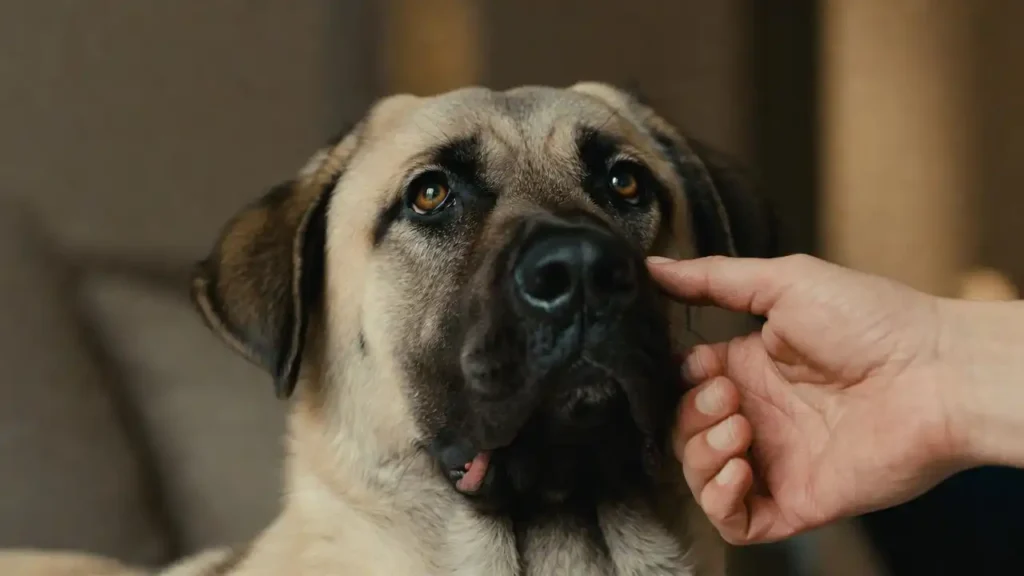
Yes. Unequivocally yes.
It won’t happen automatically, and the bonds won’t look identical. But with intentional effort, every member of a household can build a meaningful, functional relationship with an Anatolian Shepherd.
Case Example #2: A family of four in Colorado adopted a 14-month-old female Anatolian from a rescue. The dog initially bonded exclusively to the mother, who handled all care and feeding. The father and two teenage daughters felt like strangers in their own home. On a breeder’s advice, they restructured the routine: the father took over morning feeding and weekend walks, one daughter handled the evening training session, and the other daughter managed grooming. Within two months, the dog responded reliably to all four family members. The primary bond with the mother remained strongest, but the dog clearly recognized and respected each person’s role. It wasn’t equal, but it was balanced — and that’s what matters.
The key insight: Anatolians don’t bond through affection alone. They bond through function. If you play a meaningful, consistent role in the dog’s daily life, the dog will recognize and respect you for it.
How to Encourage Balanced Bonding
If you want your Anatolian to bond with multiple family members, these strategies work:
- Rotate feeding duties. Whoever controls the food holds significant influence. Don’t let one person own mealtime exclusively.
- Split training sessions. Each person should run their own short, positive training sessions with the dog — even just five minutes daily builds respect.
- Assign individual activities. One person does walks, another does grooming, another does play. Give each person a “role” the dog can associate with them.
- Avoid hovering. If one person monopolizes the dog’s time — even with good intentions — it narrows the bond. Create space for others to step in.
- Be consistent. Anatolians respect predictability. If your interactions are erratic, the dog won’t invest trust in you.
- Respect the dog’s space. Forcing affection on an Anatolian who hasn’t chosen you yet will push them further away. Let trust develop on the dog’s timeline.
⚠️ Expert Warning: Two common mistakes wreck bonding in Anatolian households. First: one person doing everything — all feeding, all walking, all training — which guarantees a one-person dog. Second: forcing physical affection on a dog that hasn’t warmed up yet, which builds avoidance, not trust. Anatolians bond through respect, routine, and time. There are no shortcuts.
Frequently Asked Questions
Are Anatolian Shepherds loyal to only one person?
They form a stronger operational bond with one primary handler, but they’re protective of — and genuinely bonded to — the entire household. Think of it as having a “favorite” without ignoring everyone else. The primary bond reflects leadership and respect, not exclusive love. Your Anatolian can and will protect every family member regardless of who it follows most closely.
Why does my Anatolian Shepherd ignore my spouse or kids?
This usually means the dog hasn’t built a functional relationship with those people yet. Anatolians don’t respond to someone just because they live in the same house — they respond to people who play a consistent, structured role in their lives. The fix is giving your spouse or children specific daily responsibilities with the dog: feeding, walking, training, or grooming.
Can you change who an Anatolian Shepherd is bonded to?
You can shift the dynamic, but it takes time and consistency. If a new person takes over primary care — feeding, training, and structured activities — the dog will gradually transfer more trust and responsiveness to that person. It won’t happen overnight, but Anatolians are observant. They notice who shows up reliably, and they adjust their hierarchy accordingly.
Do Anatolian Shepherds get separation anxiety from their bonded person?
Classic separation anxiety — whining, destructive behavior, panic — is rare in Anatolians because they’re genetically wired for independence. However, some Anatolians will become more alert, restless, or patrol-heavy when their primary handler is absent. This isn’t anxiety in the clinical sense; it’s the dog shifting into a higher state of vigilance because their perceived leader isn’t directing the pack. Having other bonded family members present typically keeps this behavior manageable.
At what age do Anatolian Shepherds choose their person?
The foundation usually sets during the first 4 to 6 months, but the bond deepens and solidifies through the dog’s first year. Social maturity — when the dog’s adult personality fully emerges — happens around age 2 to 3. That means you have a significant window to shape bonding patterns, especially if multiple people are actively involved in the dog’s early life.
Will my Anatolian protect family members it isn’t primarily bonded to?
Almost certainly, yes. Protection and bonding are related but separate instincts in this breed. An Anatolian Shepherd views the household as its territory and all residents as its flock. The dog may not take commands from your children, but it will absolutely position itself between them and a perceived threat. This guardian instinct is deeply embedded and doesn’t require an individual training relationship to activate.
Is an Anatolian Shepherd a good family dog if it bonds with one person?
Yes — as long as the family understands and works with the breed’s nature rather than against it. Having a primary handler isn’t a problem. It’s actually how the dog is wired to function. The family’s job is to ensure everyone builds their own relationship with the dog through consistent roles. An Anatolian with clear leadership and a structured family routine makes a calm, protective, remarkably loyal family companion. The AKC notes this breed’s natural protectiveness toward its family as one of its defining positive traits.
Final Thoughts: It’s Not a One-Person Dog — It’s a One-Leader Dog
The “one-person dog” label does Anatolian Shepherds a disservice. It implies a limitation when what’s really happening is a deeply intelligent breed organizing its world in the way that makes the most sense to a guardian animal.
Your Anatolian isn’t rejecting the rest of your family. It’s looking for a leader — and responding most strongly to whoever fills that role. Meanwhile, it’s quietly committed to protecting everyone under its roof, whether they can make it sit on command or not.
What matters most isn’t whether your dog has a favorite person. What matters is whether you’re providing the leadership, structure, and consistency this breed needs to thrive. Get that right, and the bonding takes care of itself.
If you’re still navigating the early days with an Anatolian — or considering adding one to your family — spend some time exploring trusted Anatolian Shepherd resources built by people who’ve raised these extraordinary dogs. You don’t have to figure this out alone.
The bond is there. It just looks different than what you expected — and that’s perfectly fine.
🐾 Author Bio
Written by: Sarah Mitchell, Large Guardian Breed Content Writer at AnatolianShepherd.me
Experienced Anatolian Shepherd owner with hands-on knowledge of guardian dog care, behavior, and protection instincts.
Content reviewed using trusted veterinary references and real owner experience for accuracy and reliability.
Disclaimer: This content is for educational purposes only and does not replace professional veterinary advice.